Documenting the June 4, 1989 Tiananmen events and other historical and human-rights records from reliable sources.
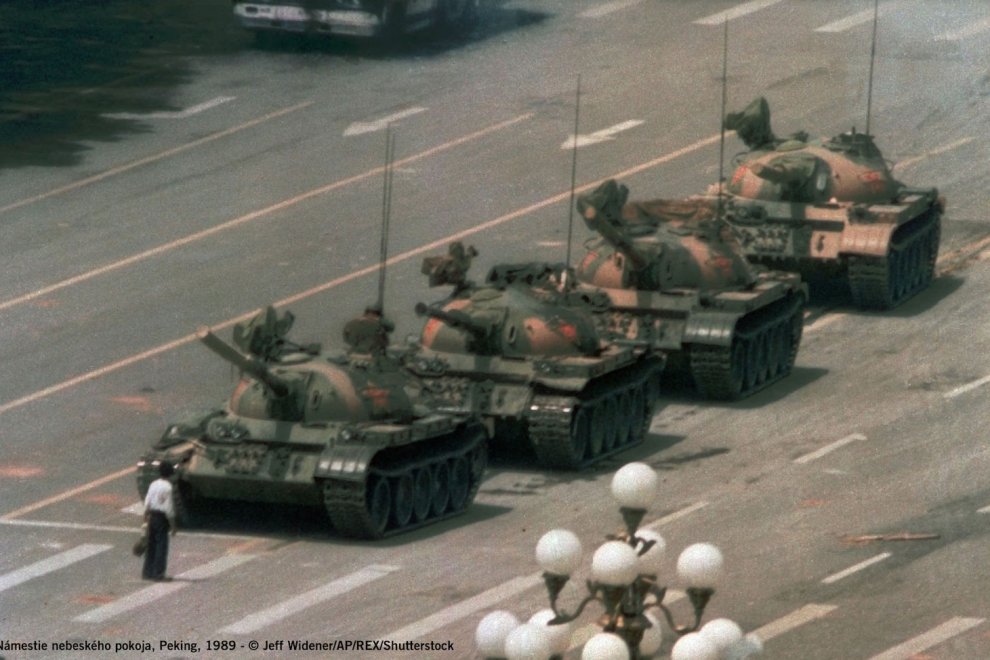 Historical EventsThe June 4, 1989 Tiananmen EventsIn 1989, Beijing saw mass protests by students and citizens. The CCP authorities sent in the army to clear Tiananmen Square and the surrounding areas by force, causing heavy civilian casualties.
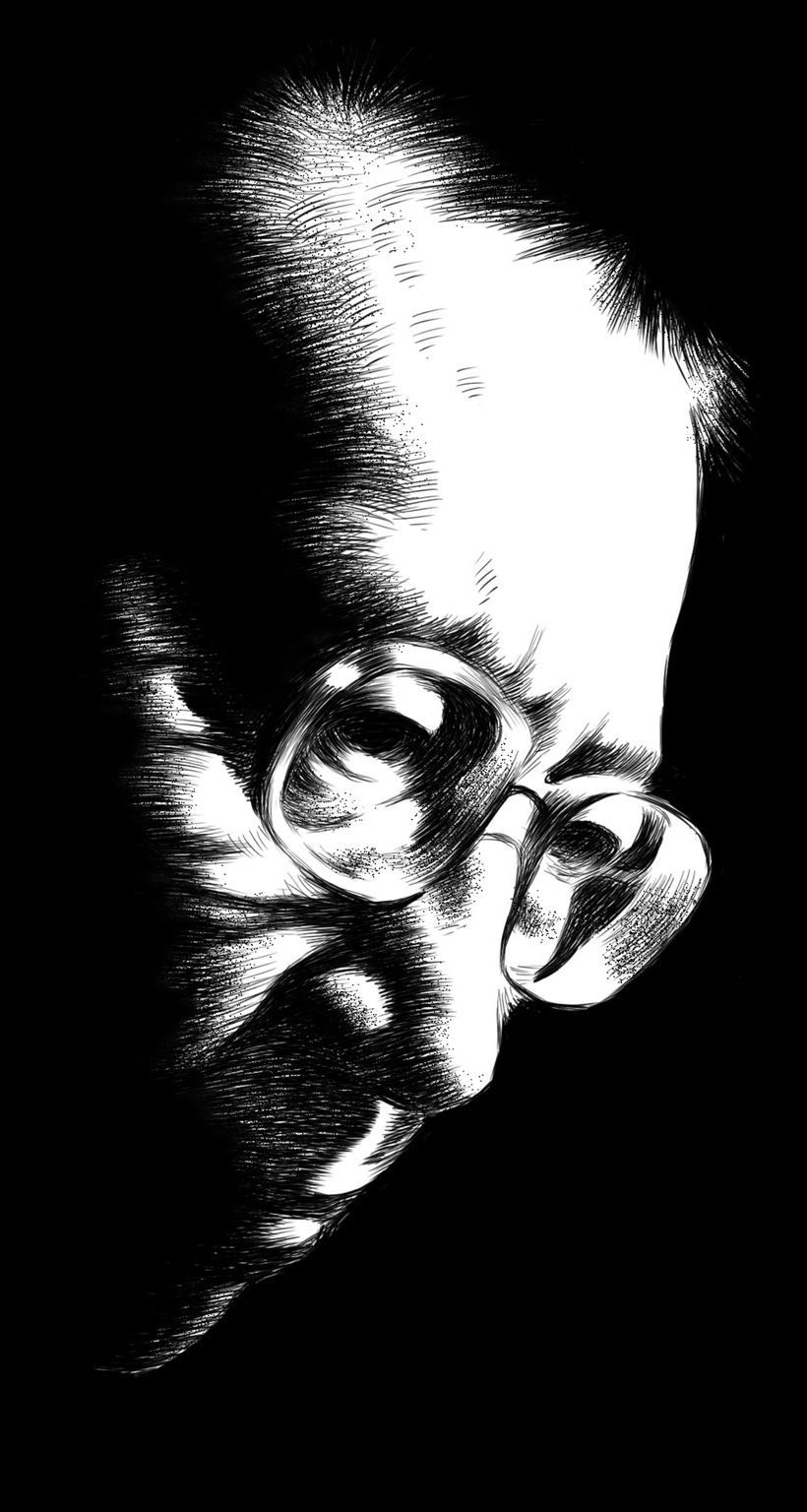 Historical EventsCharter 08 and the Case of Liu XiaoboCharter 08, a 2008 manifesto calling for political reform, led to an 11-year prison term for its co-author Liu Xiaobo, who won the Nobel Peace Prize in prison and died in custody in 2017.
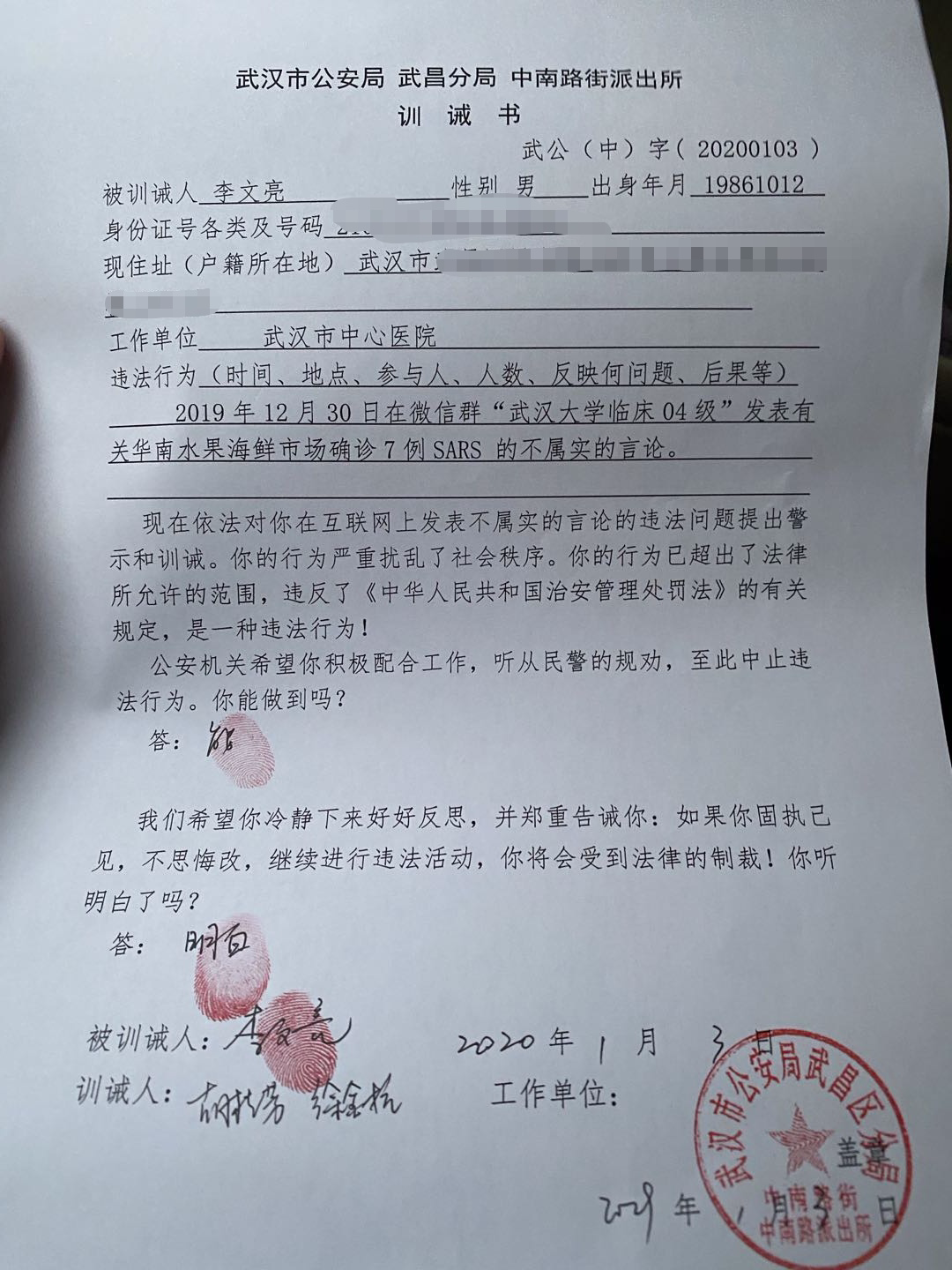 Historical EventsThe Li Wenliang CaseWuhan ophthalmologist Li Wenliang warned colleagues about a new virus in late 2019 but was admonished by police for “publishing untrue statements.” Infected at work, he died on February 7, 2020, aged 33.
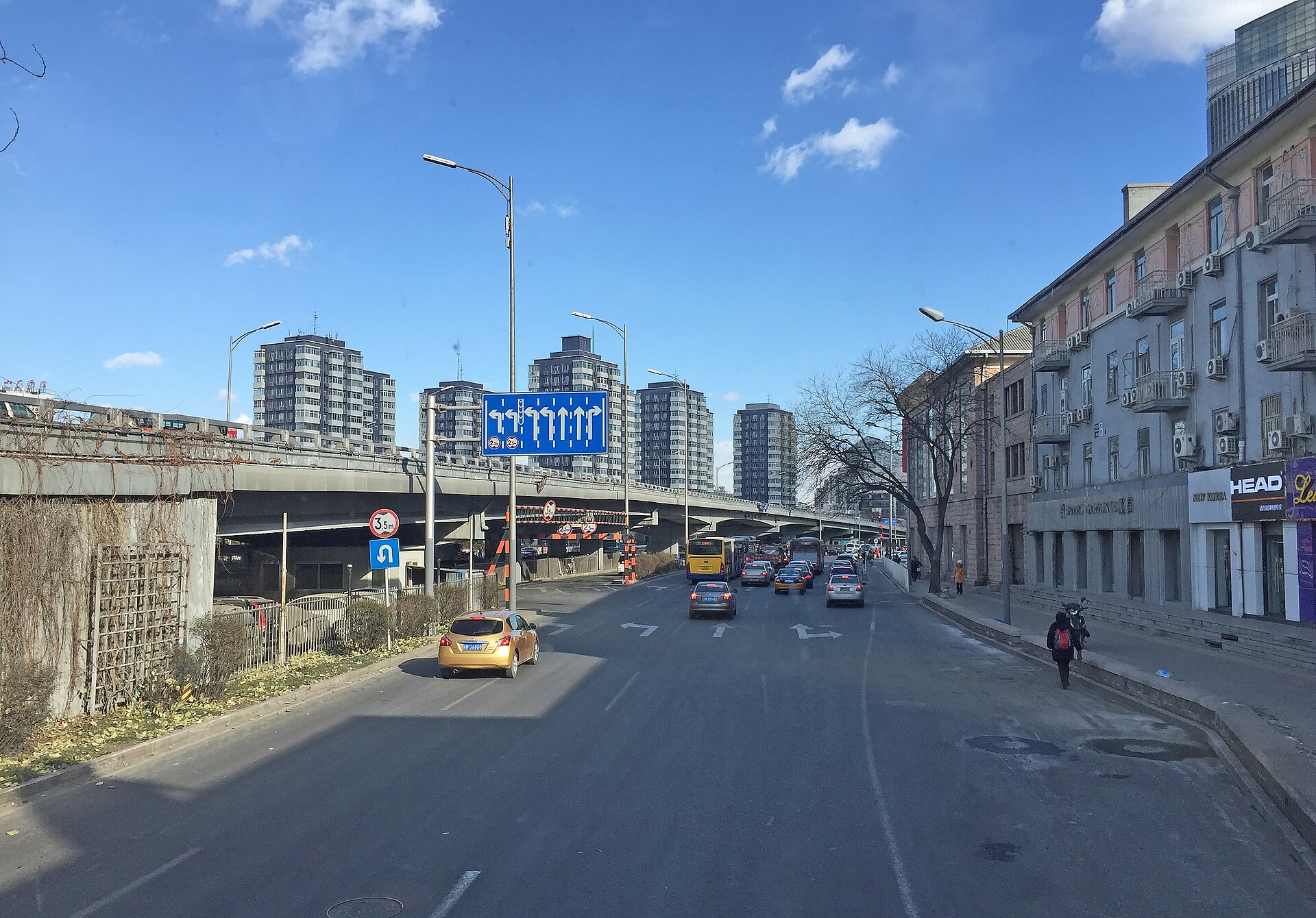 Historical EventsThe 2022 Sitong Bridge Protest in BeijingOn October 13, 2022, days before the CCP’s 20th Congress, a lone man hung protest banners from Beijing’s Sitong Bridge against zero-COVID and Xi Jinping’s rule. He was arrested on the spot; his fate remains unconfirmed.
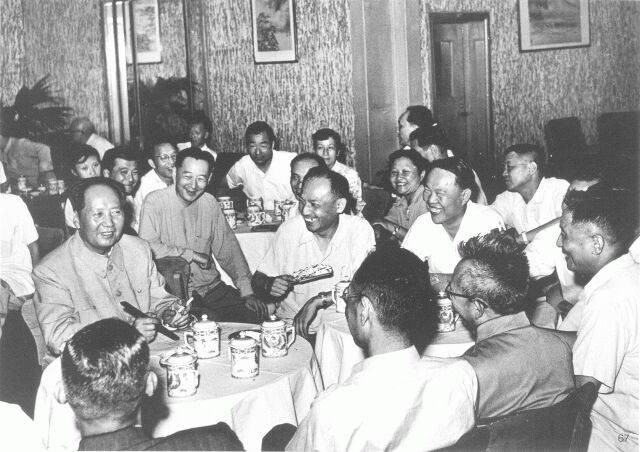 Historical EventsThe Anti-Rightist Campaign: From “Letting a Hundred Flowers Bloom” to 550,000 “Rightists” (1957)In 1957 the CCP first invited outsiders to speak out to help rectify the Party, then weeks later launched the Anti-Rightist Campaign. At least 550,000 people were labelled “rightists”; many were sent to labour camps or exiled, and most were not “corrected” until more than twenty years later.
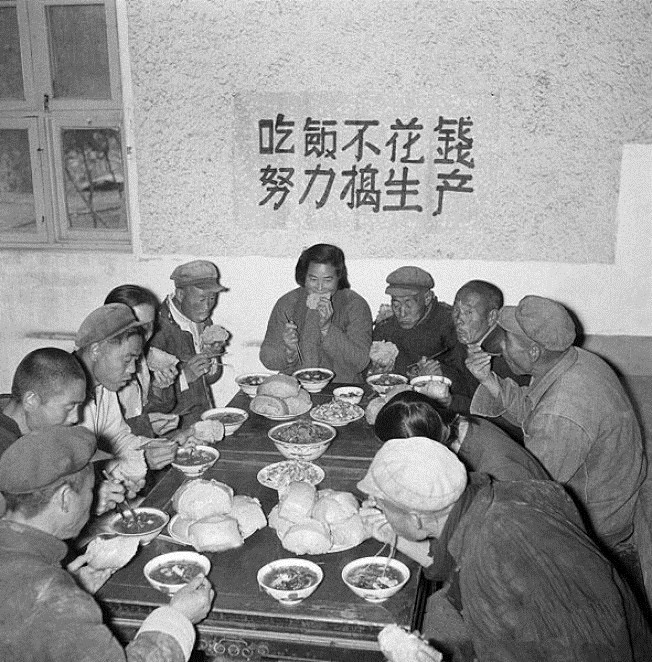 Historical EventsThe Great Famine: The Great Leap Forward, the People’s Communes and Tens of Millions of Unnatural Deaths (1959–1961)From 1959 to 1961, the Great Leap Forward and the people’s communes produced one of the deadliest man-made famines in history; estimates of the dead still range from over ten million to forty-five million.
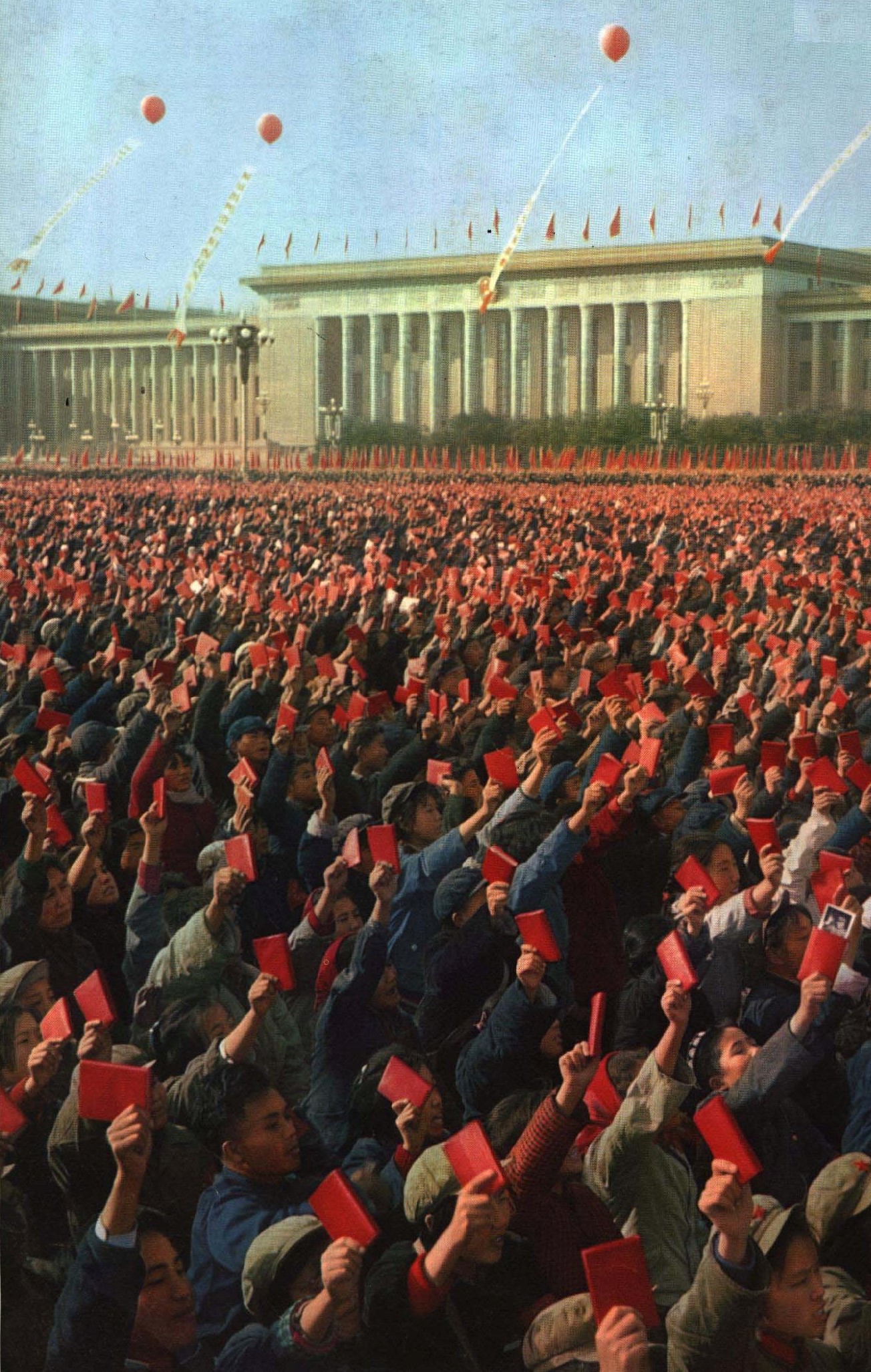 Historical EventsThe Cultural Revolution: Ten Years of Turmoil and Catastrophe (1966–1976)Launched by Mao Zedong in 1966, the Cultural Revolution convulsed China for a decade: Red Guards, armed factional fighting, massacres and nationwide persecution left millions dead and tens of millions victimized, ending only with the arrest of the Gang of Four in 1976.
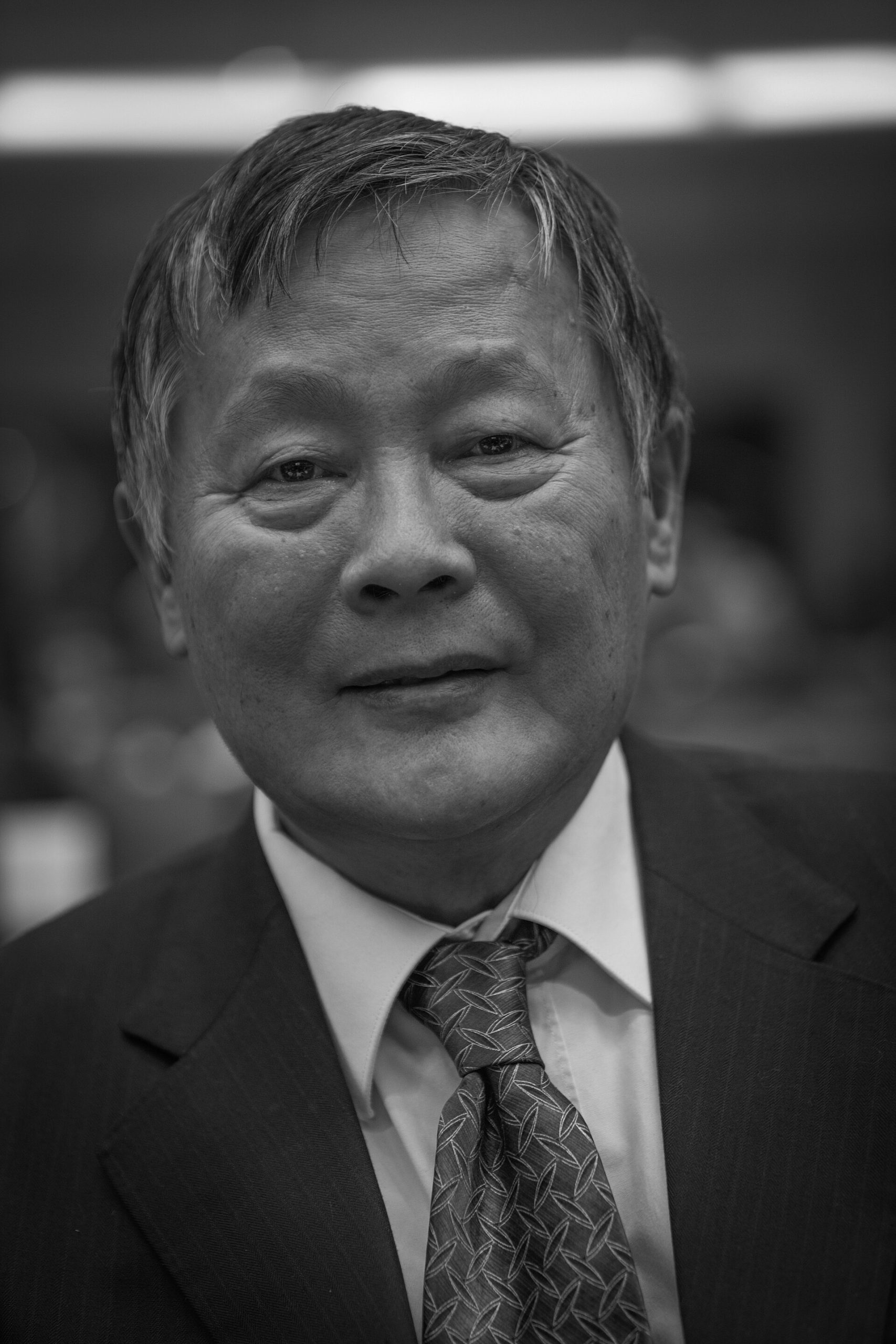 Historical EventsWei Jingsheng and the Democracy Wall: The Beijing Spring and the “Fifth Modernization” (1978–1979)In the winter of 1978, Beijing’s Xidan wall filled with big-character posters, and zoo electrician Wei Jingsheng posted “The Fifth Modernization,” demanding democracy alongside Deng Xiaoping’s Four Modernizations. Within a year he had been sentenced to 15 years in prison and the wall shut down — the reform era’s first open democracy movement, and its first crackdown.
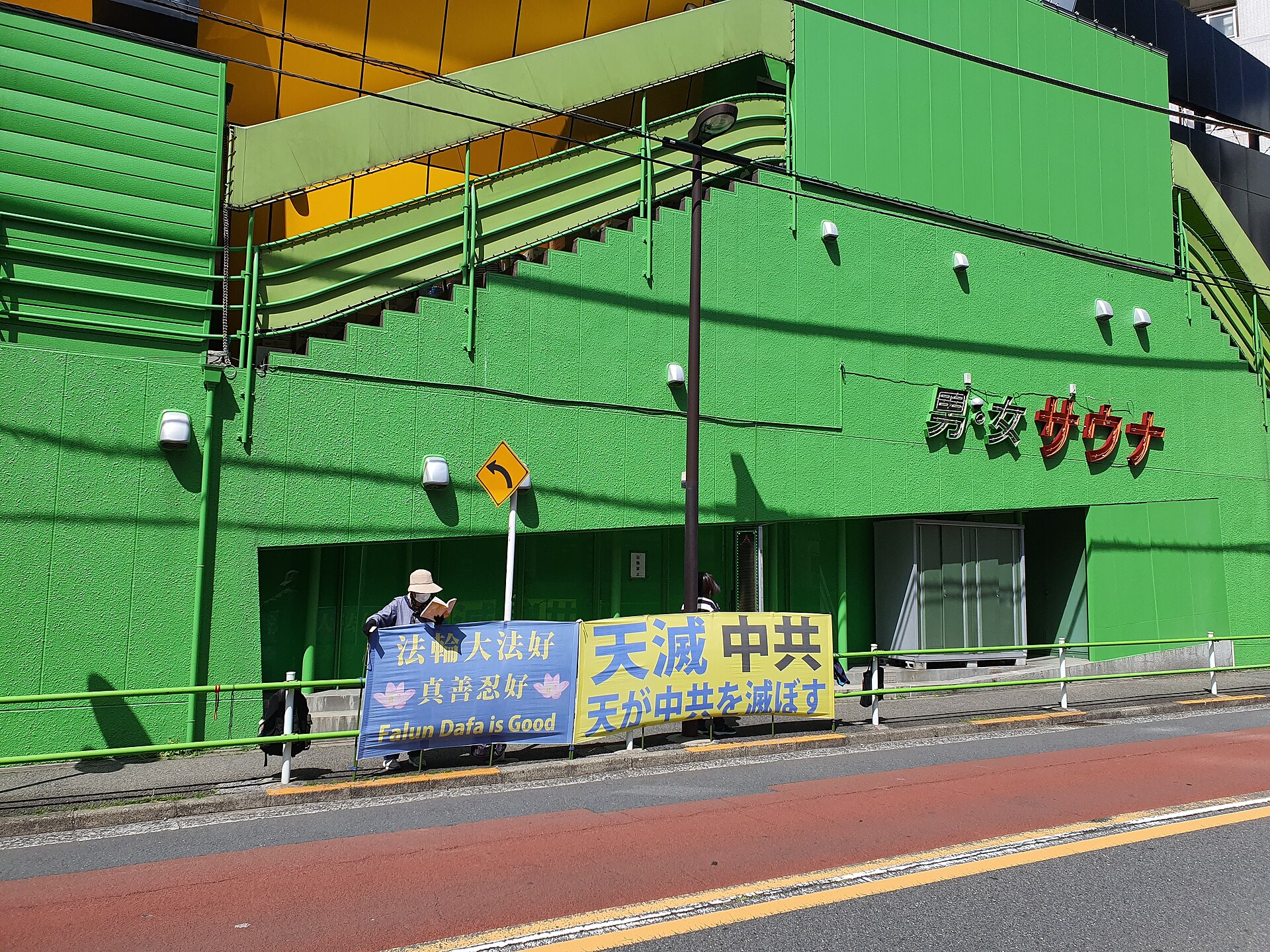 Historical EventsThe Suppression of Falun Gong: From the April 25 Appeal to the Ban and Ongoing Persecution (1999– )In April 1999, more than 10,000 Falun Gong practitioners appealed peacefully near Zhongnanhai; three months later the movement was banned outright. Years of labor camps, forced "transformation" and disputed organ-harvesting allegations have kept the crackdown at the center of international human-rights debate ever since.
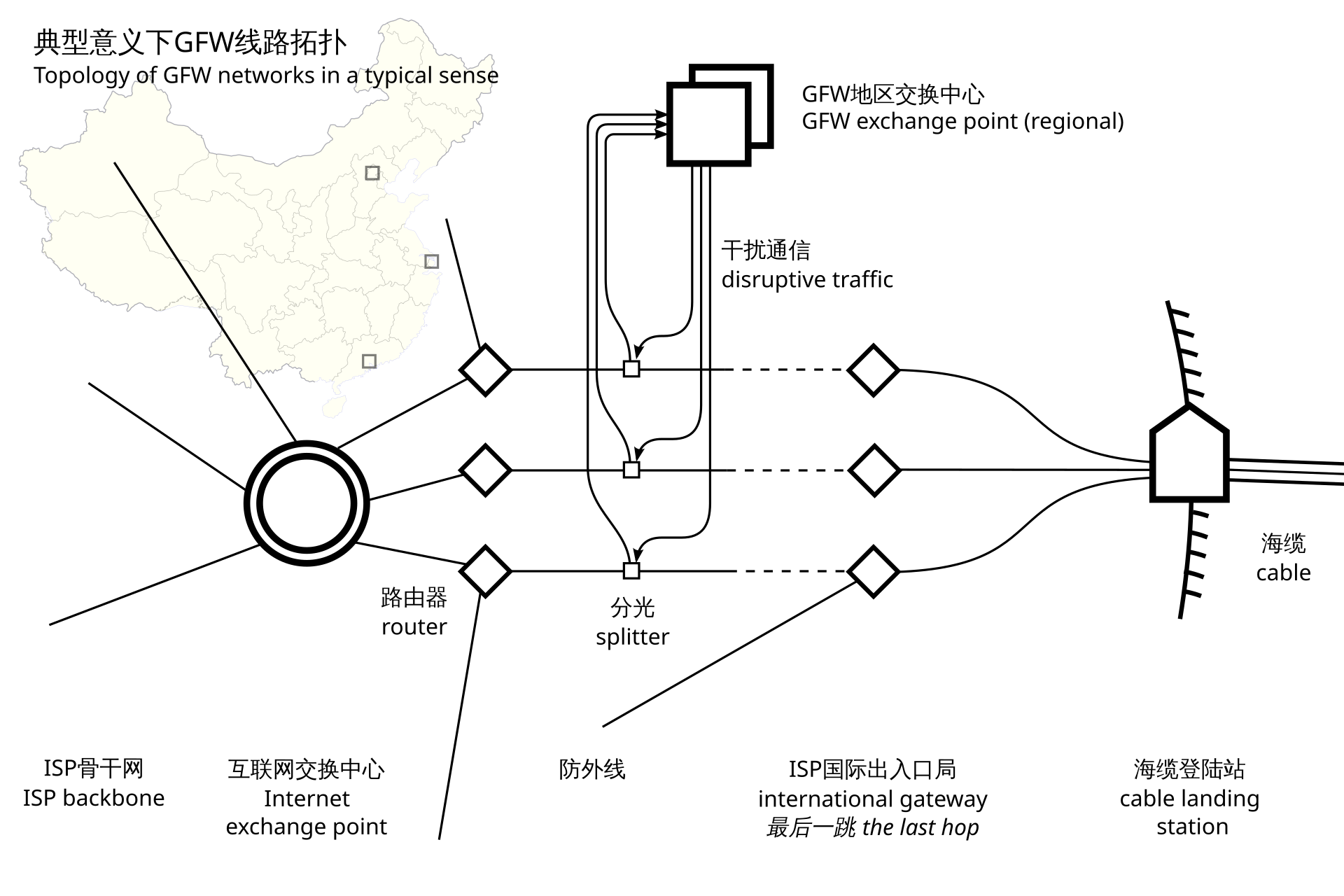 Historical EventsThe Great Firewall and the Expansion of Internet Censorship in ChinaFrom 2001 onward, China built the world’s largest internet censorship system, the Great Firewall, blocking foreign websites and filtering information for hundreds of millions of users.
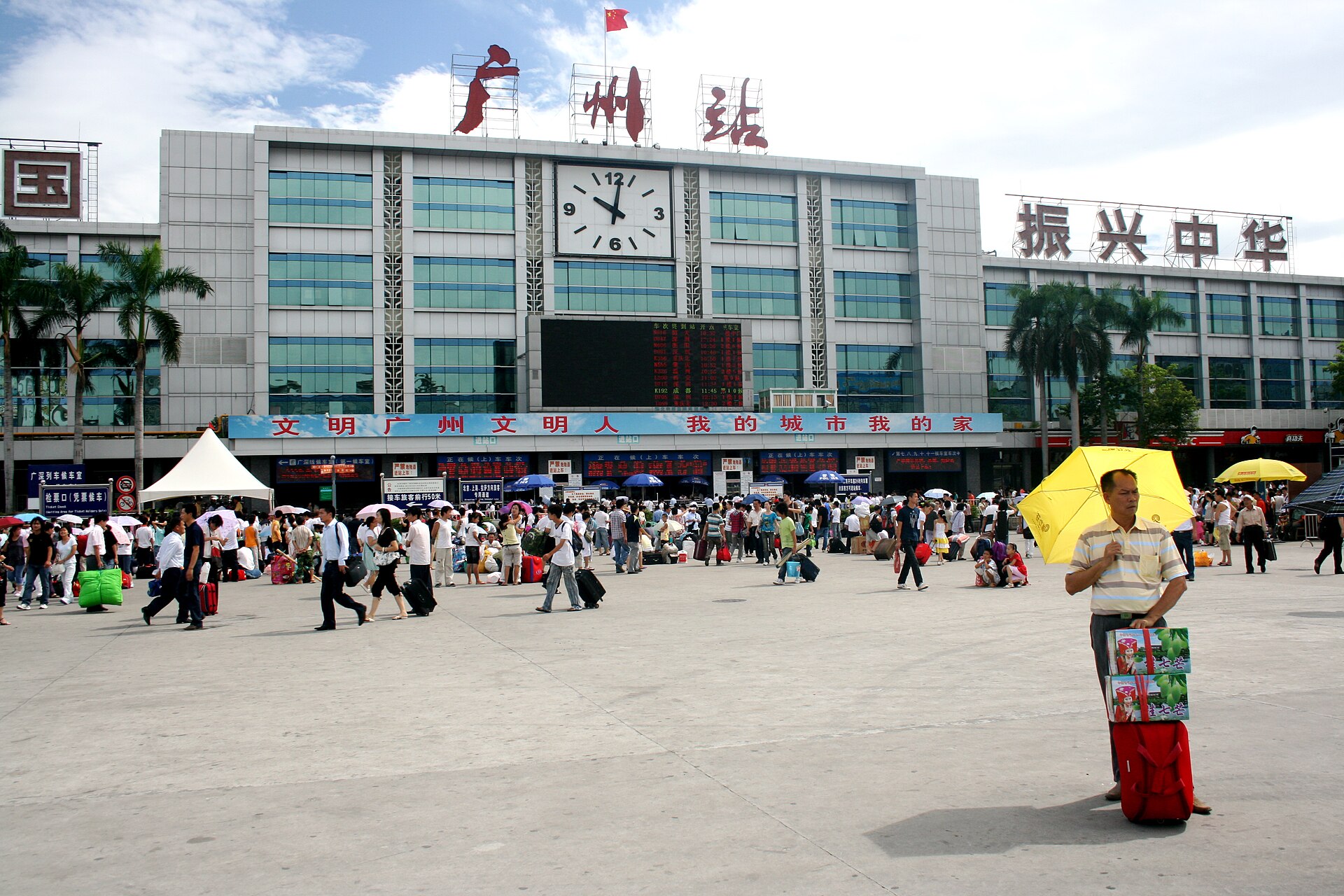 Historical EventsThe Sun Zhigang Incident: The Death of a Graduate and the End of Custody and RepatriationIn 2003, Hubei graduate Sun Zhigang was taken into custody in Guangzhou for lacking a temporary residence permit and beaten to death within three days. Exposure by Southern Metropolis Daily sparked national outrage, a constitutional-review petition by three law PhDs, and the abolition of the 21-year-old custody and repatriation system.
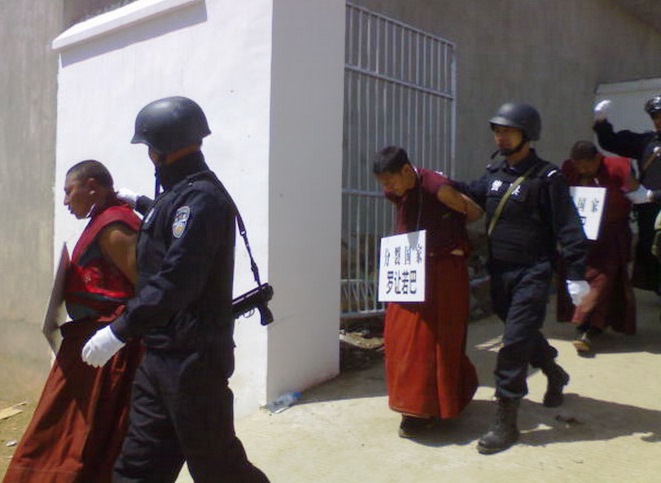 Historical EventsThe 2008 Tibetan Protests and CrackdownIn March 2008, protests by monks and laypeople in Lhasa escalated into riots and were put down by security forces. Reported death tolls range from 22 to over 200.
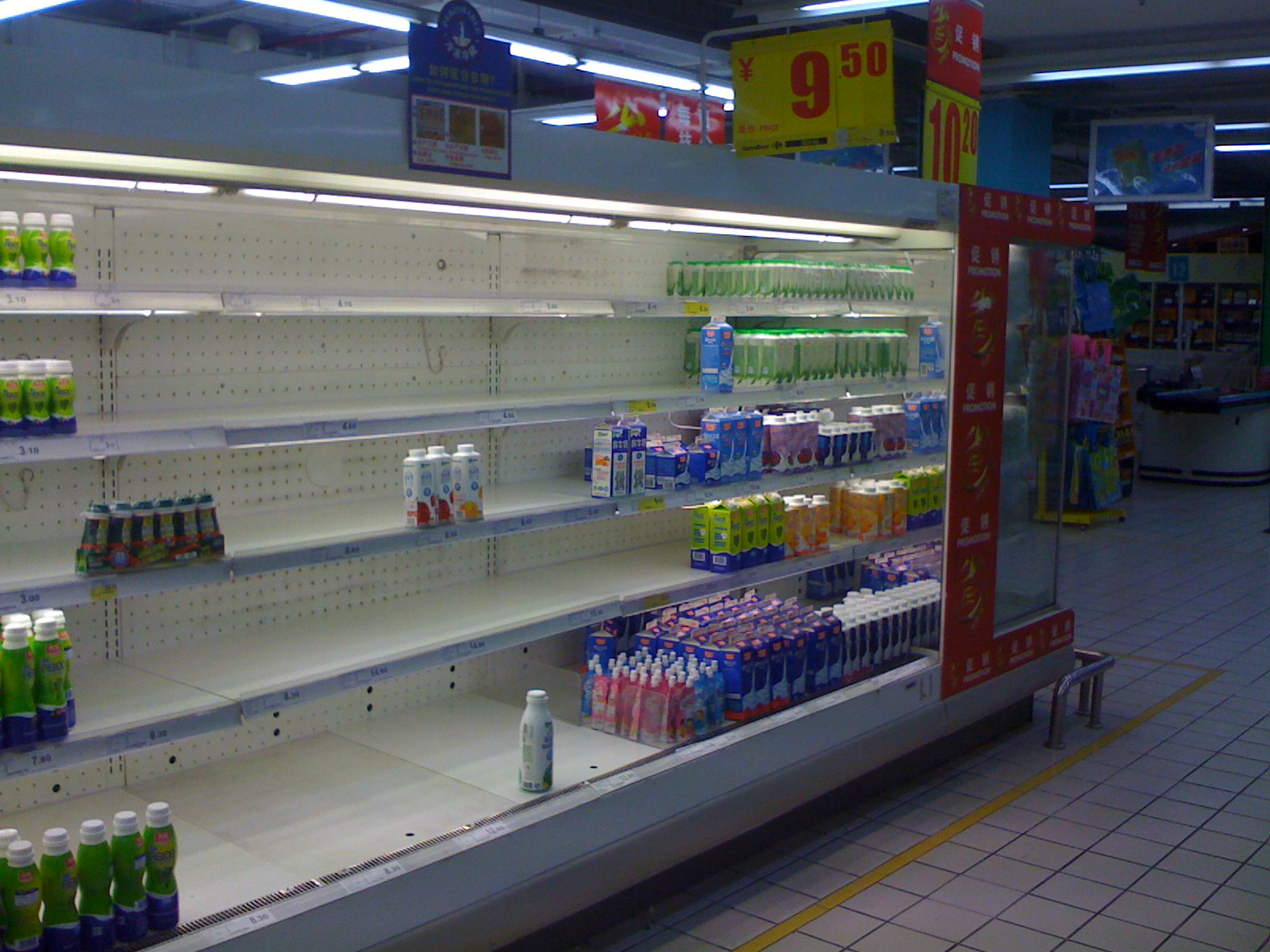 Historical EventsThe Sanlu Poisoned Milk Scandal: Nearly 300,000 Babies Harmed and the Jailing of Rights-Defending Father Zhao LianhaiIn 2008, Sanlu infant formula adulterated with melamine left nearly 300,000 Chinese babies with urinary-system damage and six dead. After months of cover-up, it was not only executives who went to prison — Zhao Lianhai, a father who organised the victims’ parents, was jailed too.
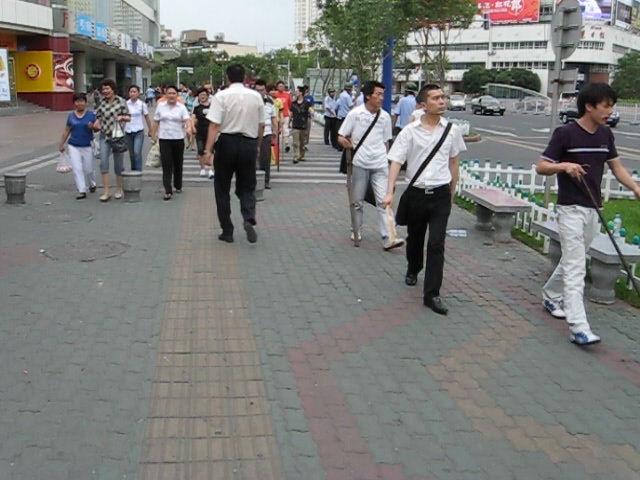 Historical EventsThe July 2009 Ürümqi RiotsOn 5 July 2009, a protest in Ürümqi escalated into deadly ethnic riots. Officials reported 197 dead and 1,721 injured; mass arrests and death sentences followed.
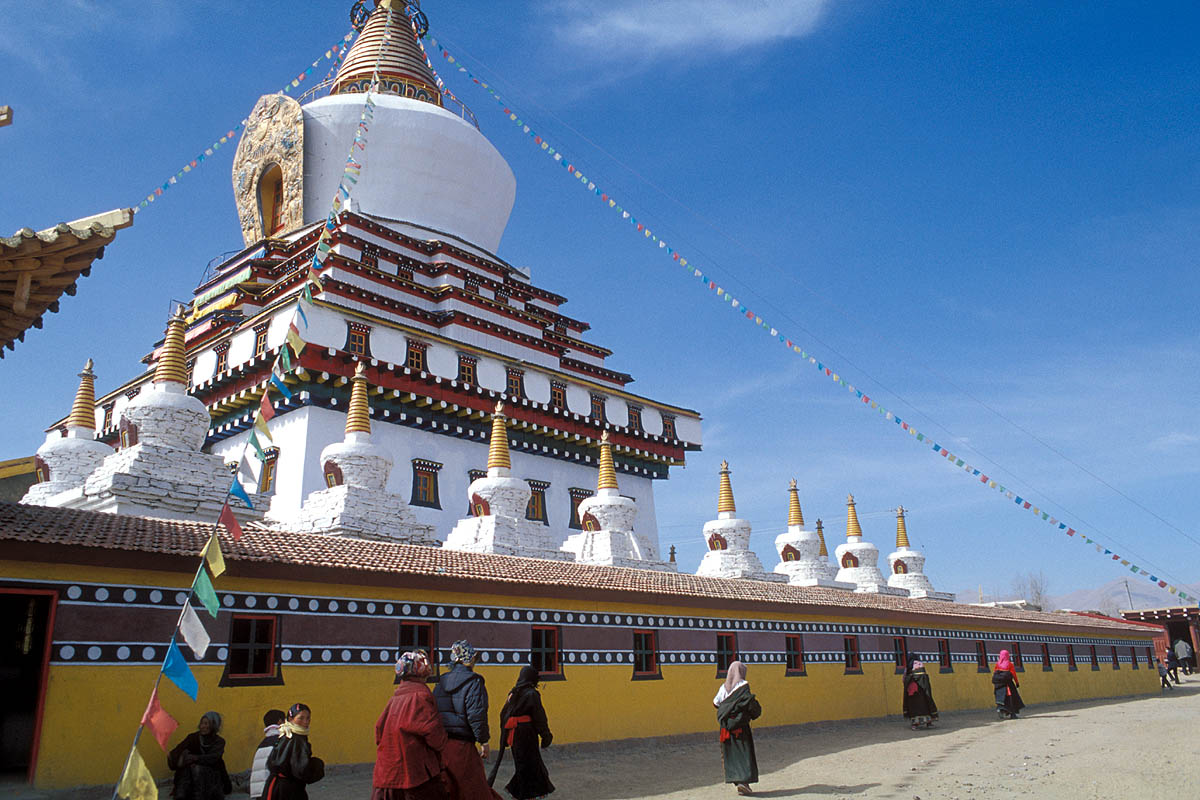 Historical EventsThe Wave of Tibetan Self-Immolations: From Kirti Monastery Across the Tibetan Plateau (Since 2009)Since 2009, more than 150 Tibetans in Sichuan, Qinghai, Gansu and the Tibet Autonomous Region have set themselves on fire to protest repressive rule, and most have died. Their dying demands were strikingly consistent: let the Dalai Lama return, and let Tibet be free.
 Historical EventsChina’s 2011 “Jasmine” Gatherings and the CrackdownIn February 2011, anonymous online calls urged Sunday “Jasmine” strolls in 13 Chinese cities. Police flooded the sites, and more than 100 activists were detained or placed under surveillance.
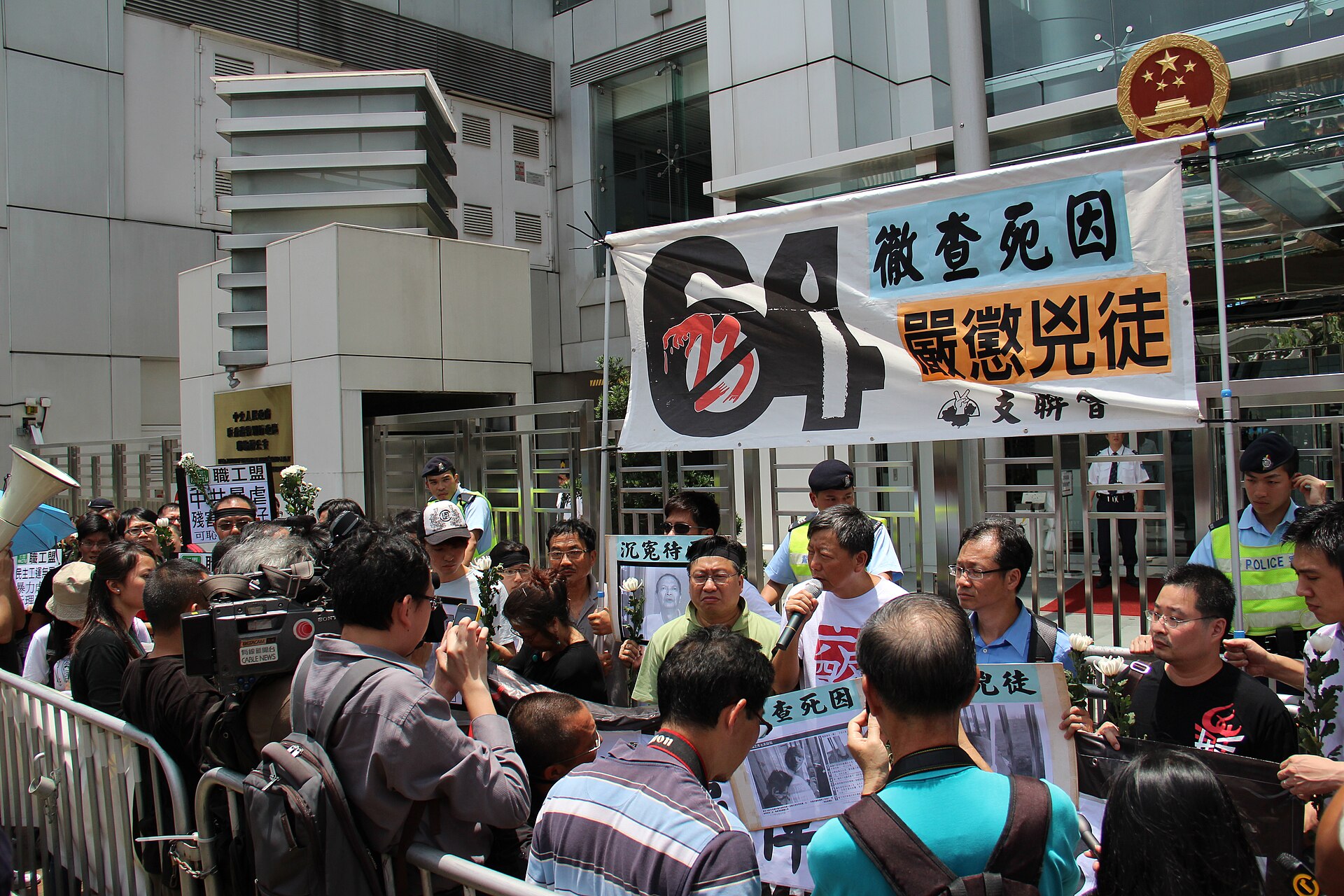 Historical EventsThe Death of Li WangyangLi Wangyang, a 1989 labor activist who spent 21 years in prison, was found hanged in a Shaoyang hospital in 2012. Officials called it suicide; his family and the public questioned the account.
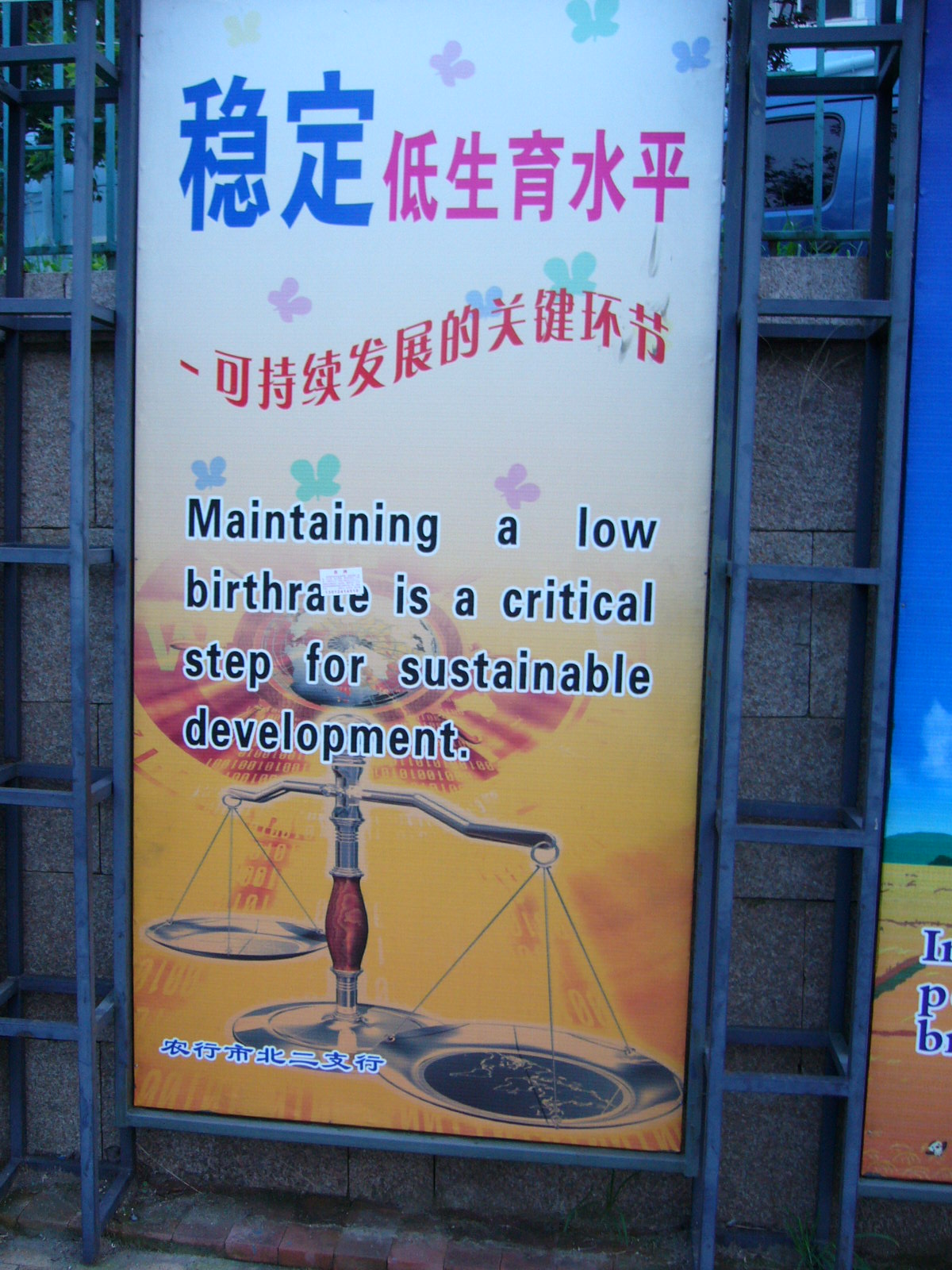
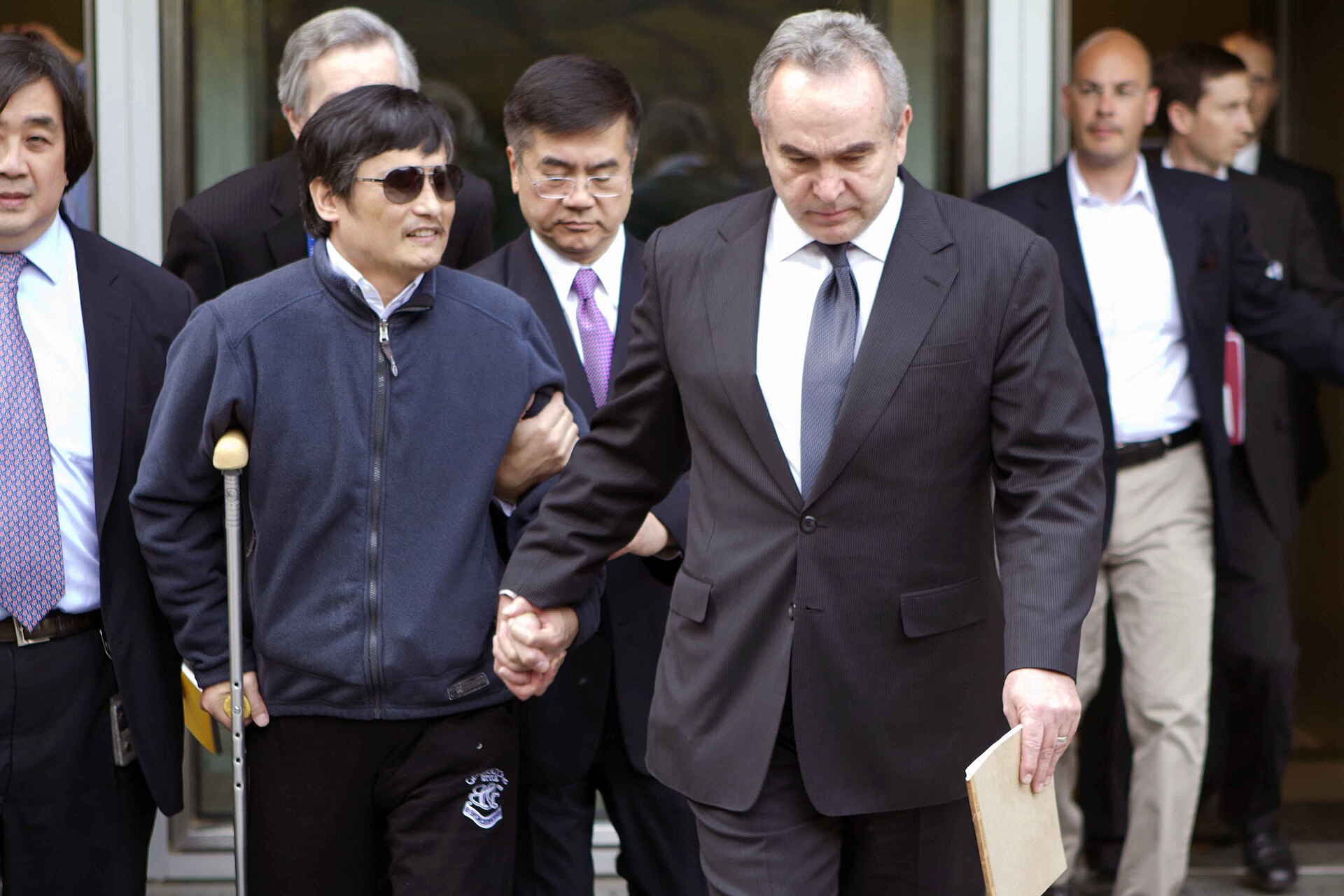 Historical EventsThe Chen Guangcheng Case: A Blind Rights Lawyer’s Escape and a U.S.–China Diplomatic Crisis (2012)Blind, self-taught rights lawyer Chen Guangcheng was jailed for exposing violent family-planning enforcement in Linyi and then held under unlawful house arrest. In 2012 he escaped over a wall, reached the U.S. Embassy in Beijing, and — after a diplomatic crisis — left for the United States with his family.
 Historical EventsThe Forced Abortion of Feng Jianmei: A Seven-Month Pregnancy Ended by Injection in Shaanxi (2012)In 2012, Feng Jianmei, seven months pregnant in Zhenping County, Shaanxi, was forcibly aborted after her family could not pay a 40,000-yuan demand; photos of her beside her stillborn daughter ignited nationwide outrage and an official admission of illegality.
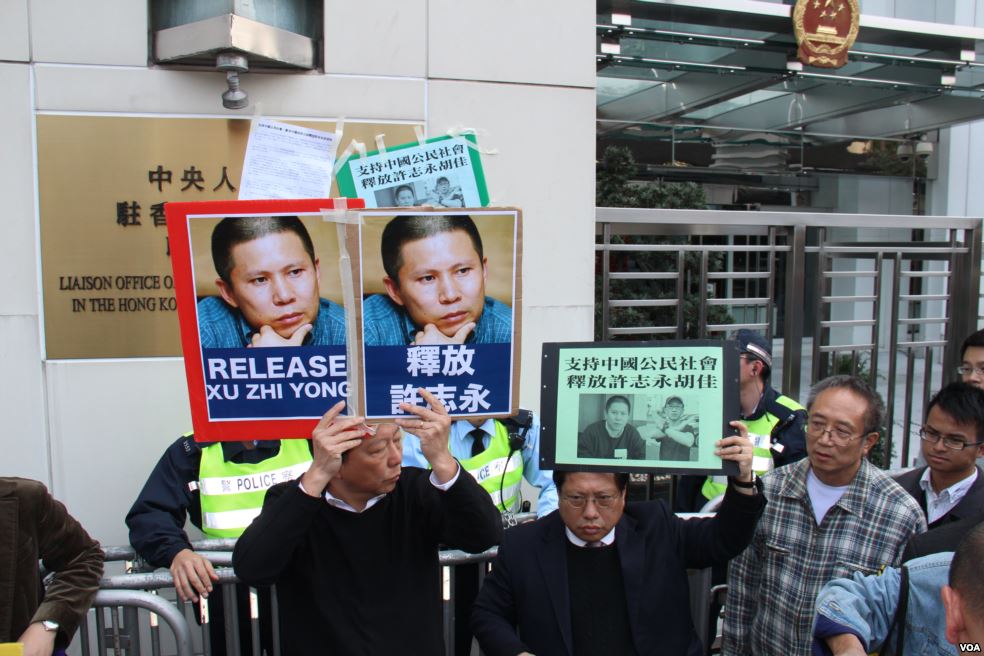 Historical EventsThe Crackdown on the New Citizens’ MovementXu Zhiyong’s New Citizens’ Movement called for officials to disclose their assets and for equal education rights. In 2013–2014, Xu and other participants were jailed for “gathering crowds to disrupt public order.”
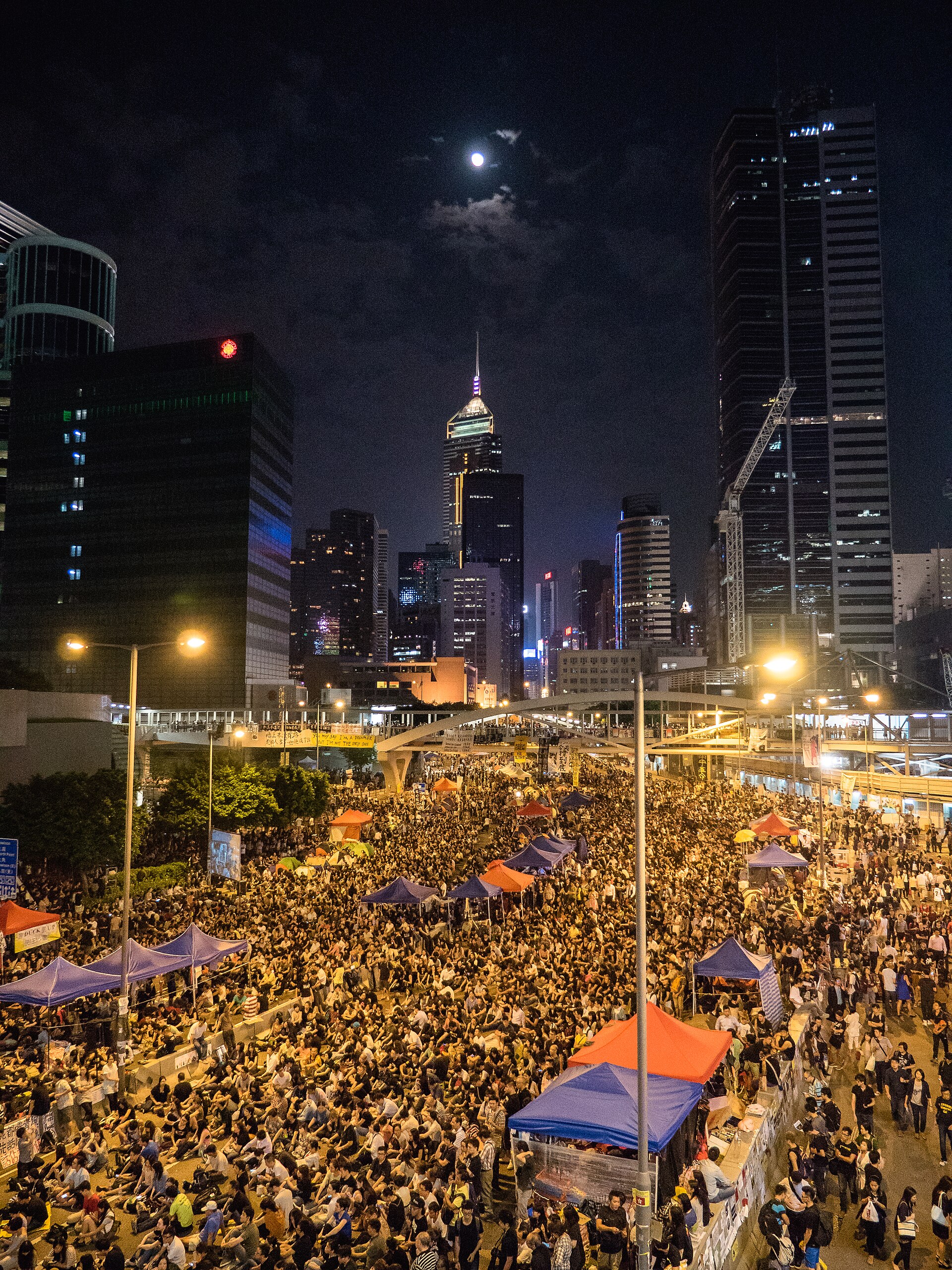 Historical EventsThe 2014 Hong Kong Umbrella Movement: 79 Days of Occupation for Genuine Universal SuffrageOn 31 August 2014 Beijing imposed a restrictive framework on Hong Kong's promised universal suffrage, sparking a 79-day occupation. Police fired 87 tear-gas canisters at protesters who shielded themselves with umbrellas — the image that gave the Umbrella Movement its name.
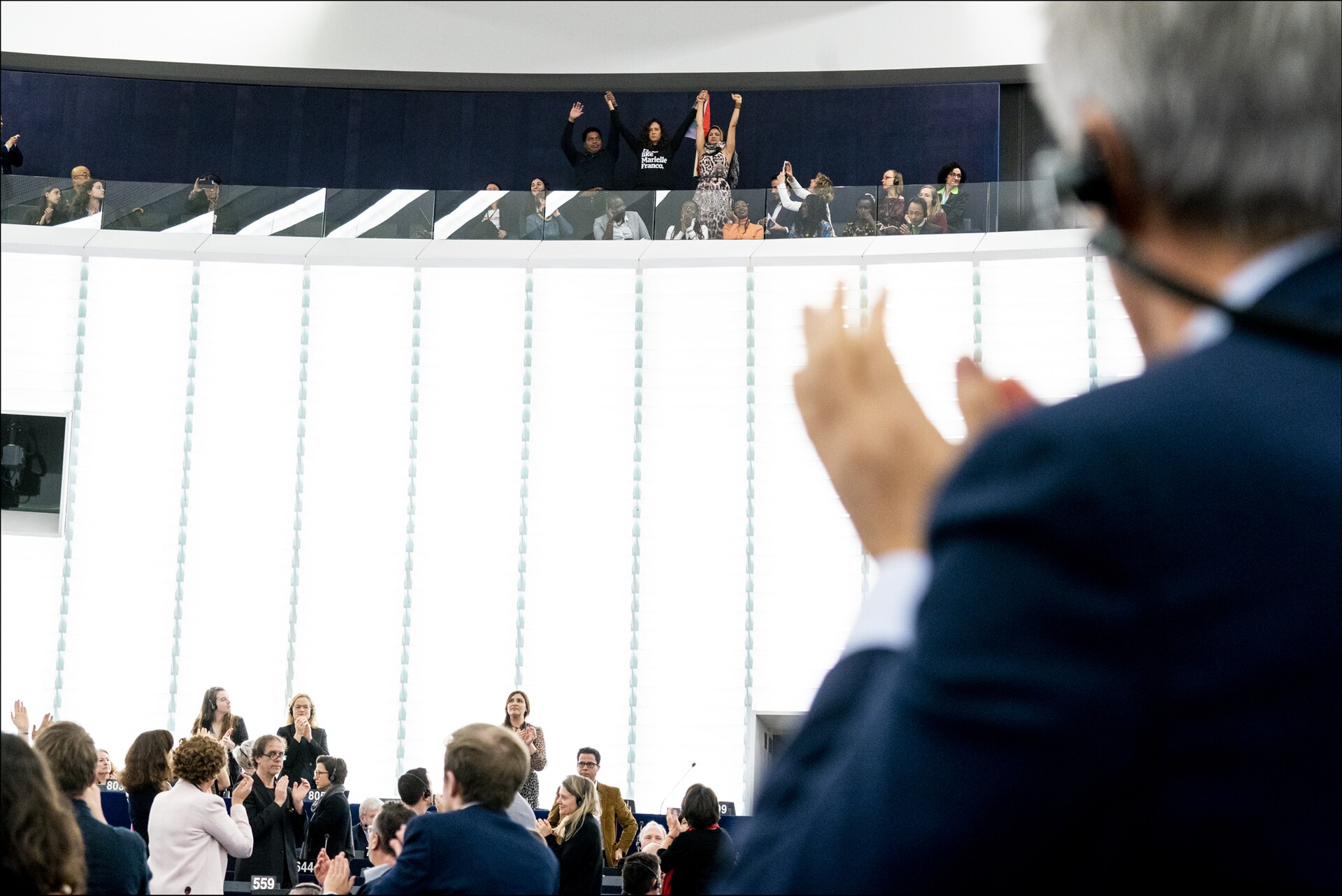 Historical EventsThe Case of Ilham Tohti: A Moderate Uyghur Scholar Sentenced to Life for His WordsIlham Tohti, a Uyghur economist at Beijing's Minzu University, spent two decades advocating autonomy within China and rejecting violence. In 2014 he was sentenced to life in prison for "separatism" and all his property was confiscated. Abroad he is regarded as a prisoner of conscience and has received the Sakharov Prize and three other international human rights awards.
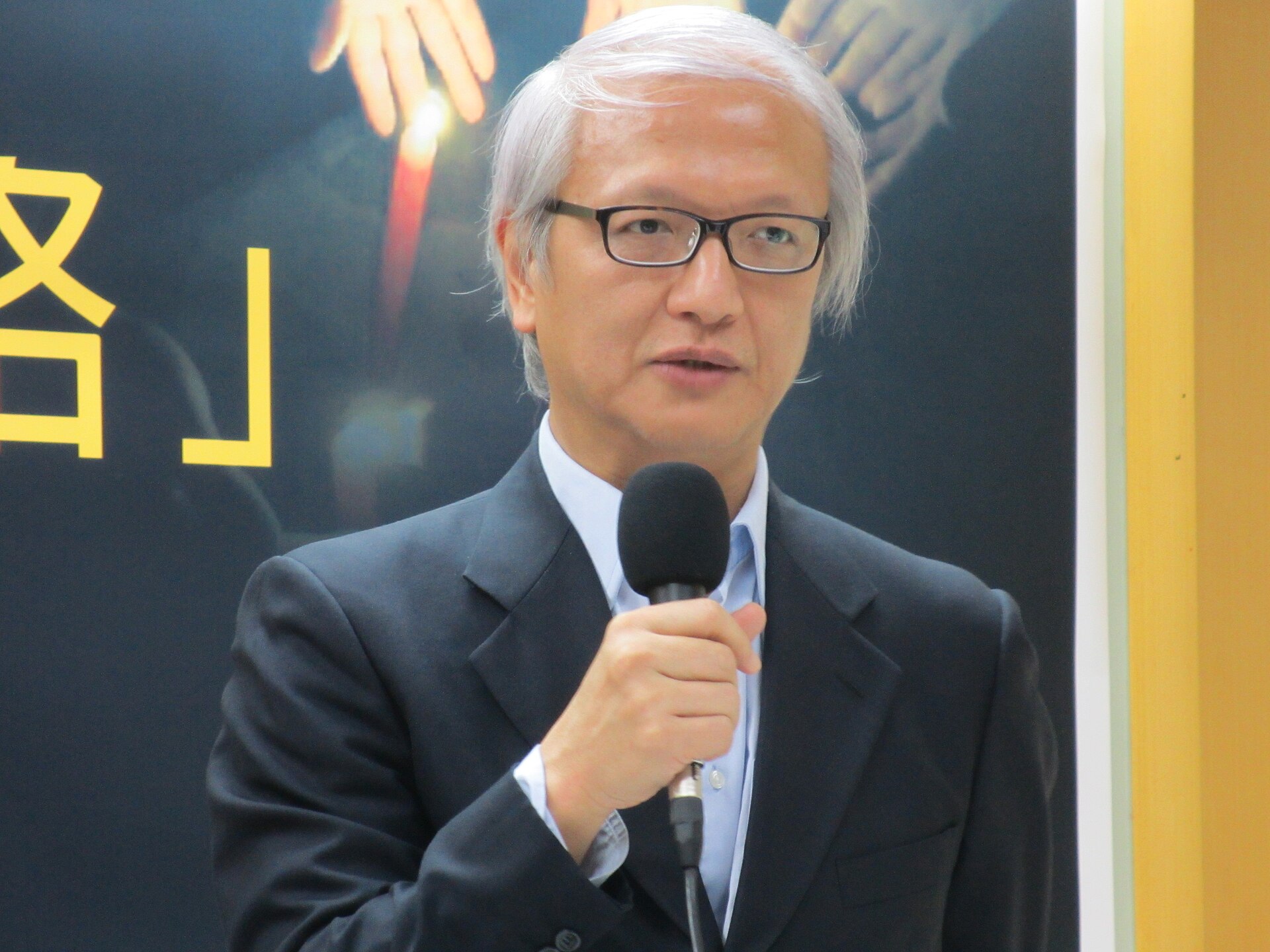 Historical EventsThe “709” Crackdown on Human Rights LawyersBeginning on 9 July 2015, police across China detained or summoned more than 300 human rights lawyers and activists in a nationwide sweep; several were later imprisoned on subversion-related charges.
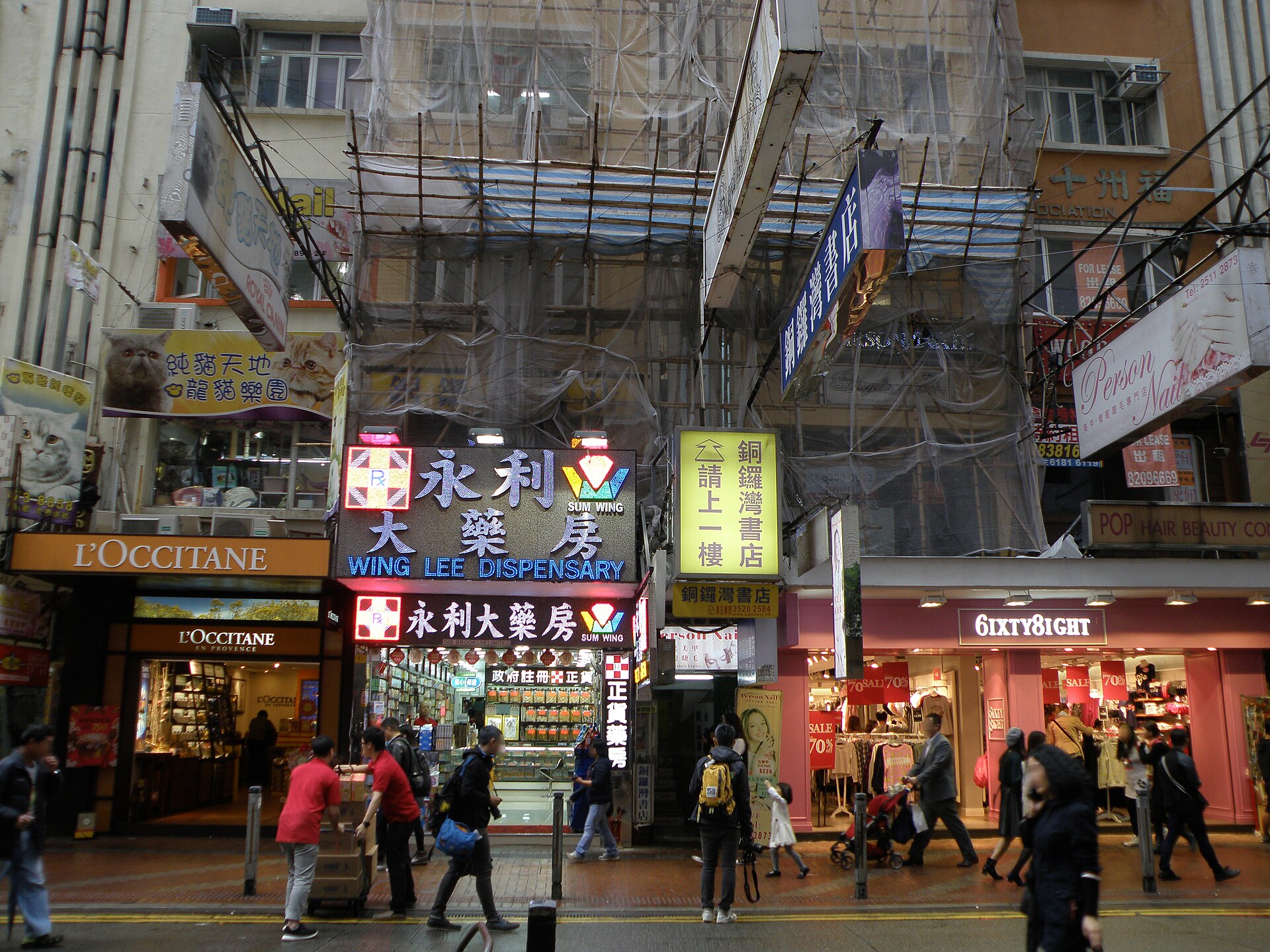 Historical EventsThe Causeway Bay Books Disappearances: Five Booksellers, One Long ArmBetween October and December 2015, five men linked to Causeway Bay Books — a Hong Kong shop selling political titles banned on the mainland — vanished: one in Thailand, one in Hong Kong, three on the mainland. All five proved to be in mainland custody. The shop's Swedish co-owner, Gui Minhai, was sentenced in 2020 to ten years in prison.
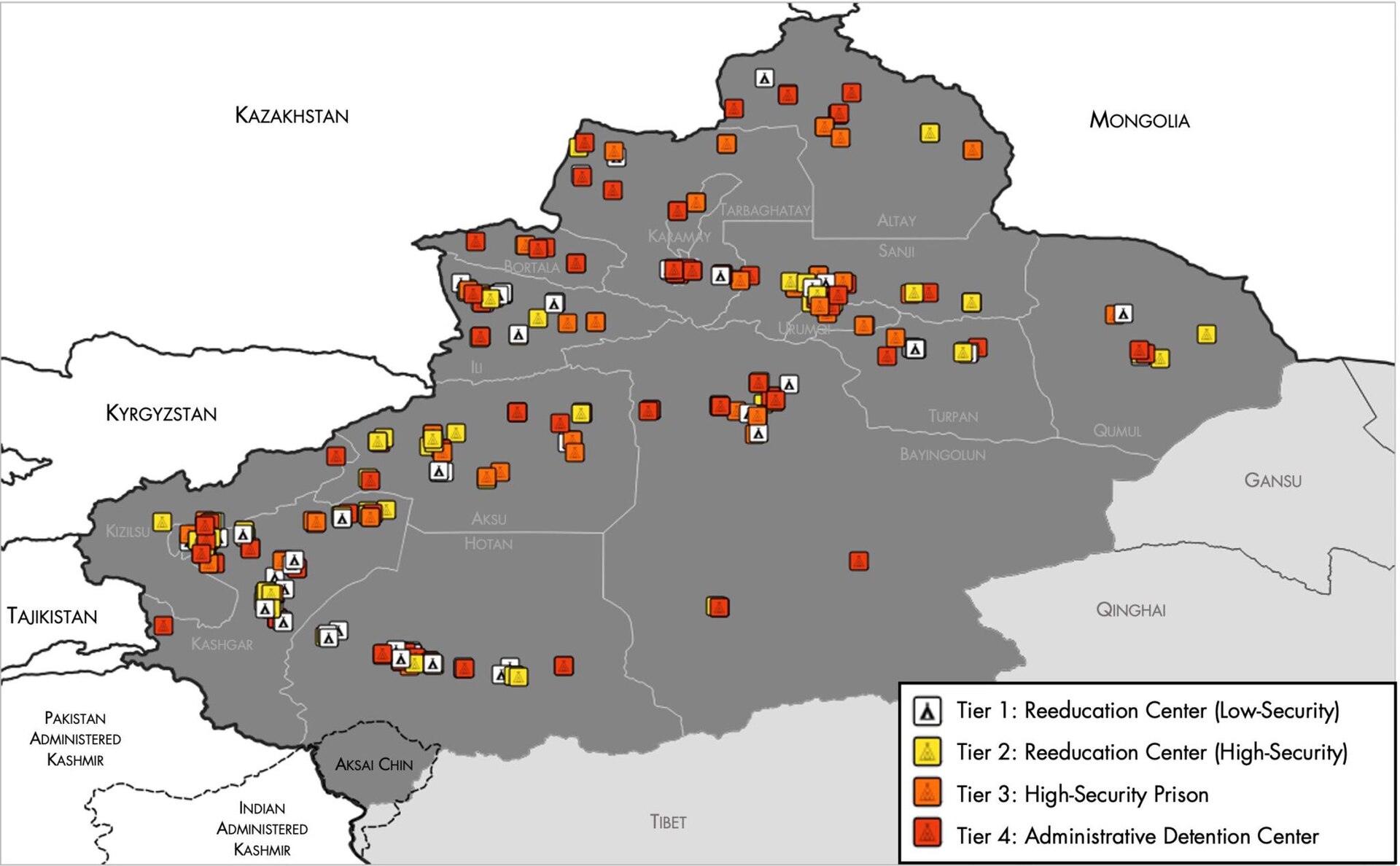 Historical EventsMass Detention and Human Rights Abuses in XinjiangFrom 2017, China detained Uyghurs and other Turkic peoples in Xinjiang on a massive scale. Researchers estimated the detained in the millions; a 2022 UN assessment said the abuses may amount to crimes against humanity.
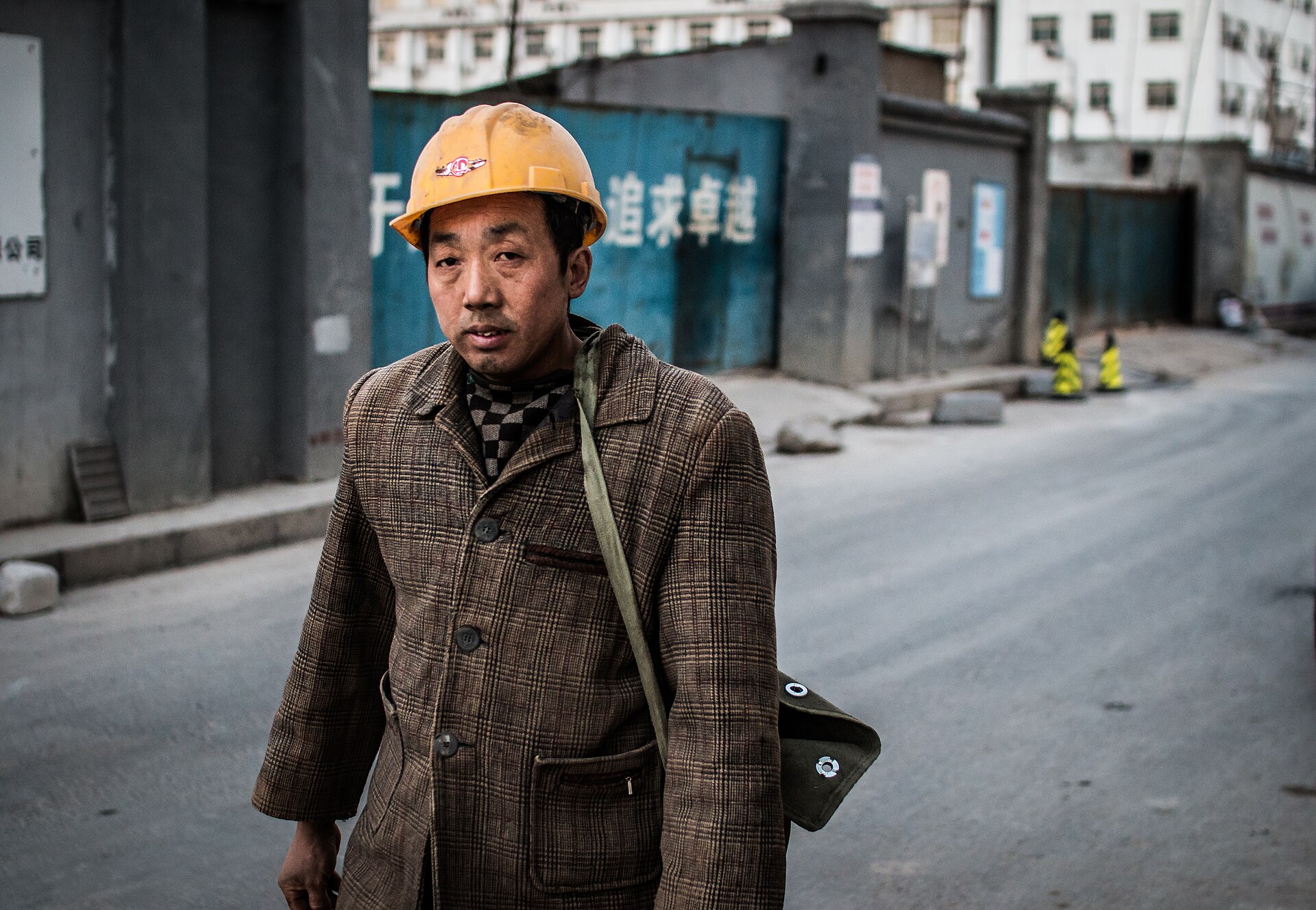 Historical EventsClearing Out the “Low-End Population”: How a Deadly Fire Became the Pretext for Beijing’s Mass EvictionsOn 18 November 2017, a fire in a Beijing apartment block killed 19 people — 17 of them migrant workers. The city answered with a 40-day "safety inspection" campaign: water and power cut, homes demolished, tens of thousands of low-wage workers driven out into sub-zero nights. The phrase "low-end population" passed from official documents into public memory.
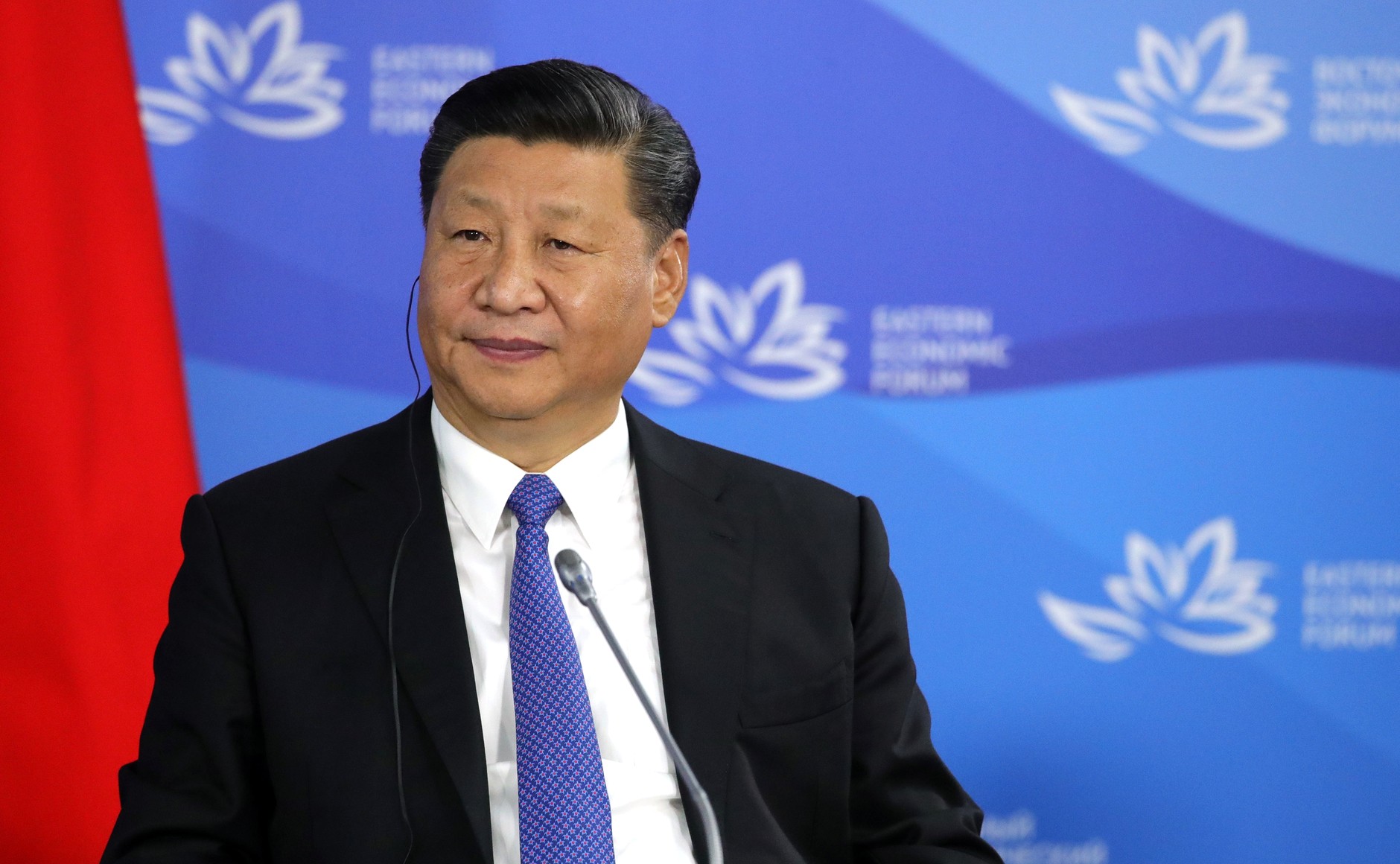 Historical EventsThe 2018 Constitutional Amendment: Presidential Term Limits AbolishedIn March 2018, China's legislature amended the constitution to delete the two-term limit on the presidency, clearing the legal path for Xi Jinping to rule indefinitely, amid sweeping online censorship and speech cases.
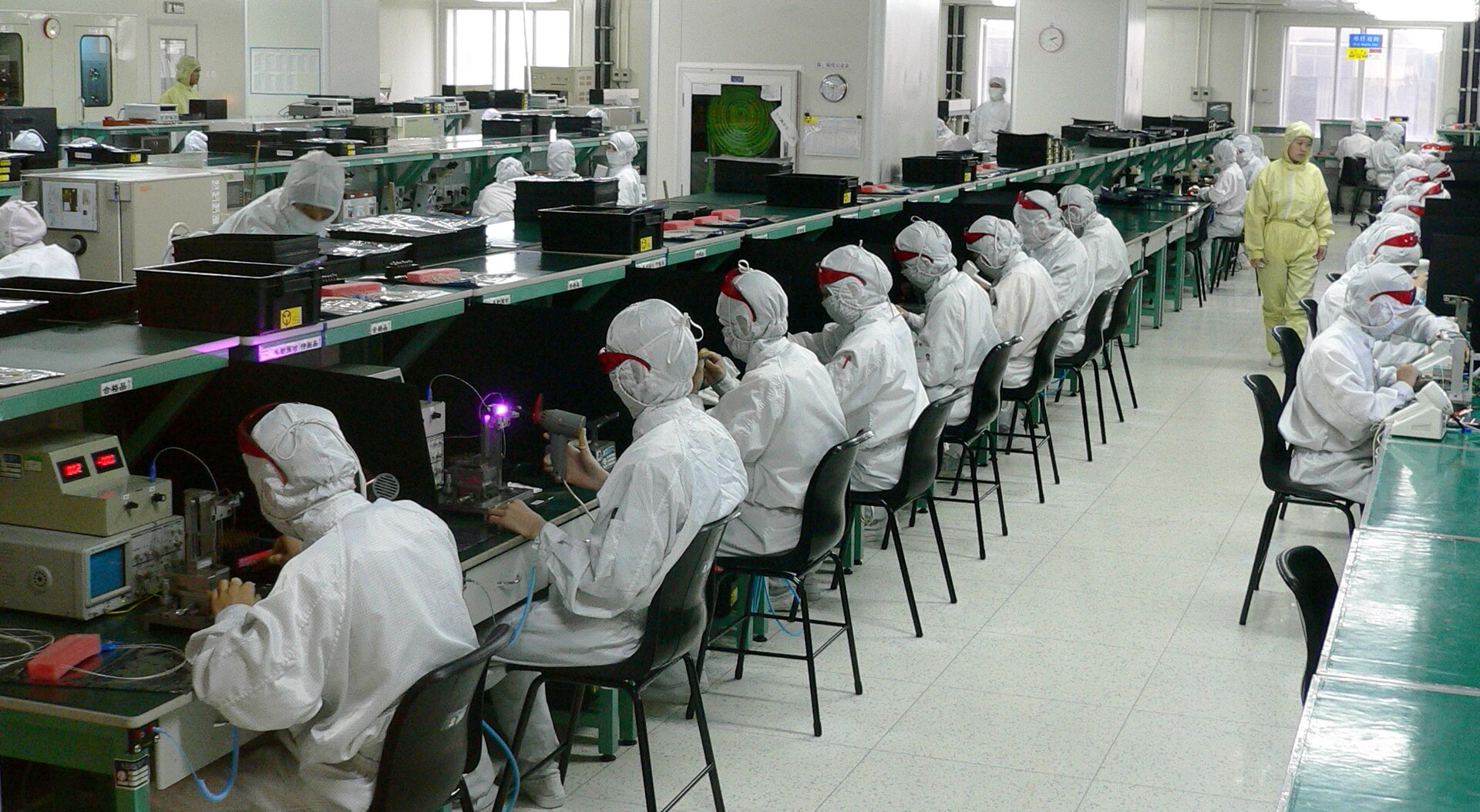 Historical EventsThe 2018 Jasic Workers’ Rights IncidentWorkers at Shenzhen’s Jasic Technology sought to form a legal union. After initial encouragement from the local union federation, organizers were fired and detained, and the students supporting them were raided and arrested.
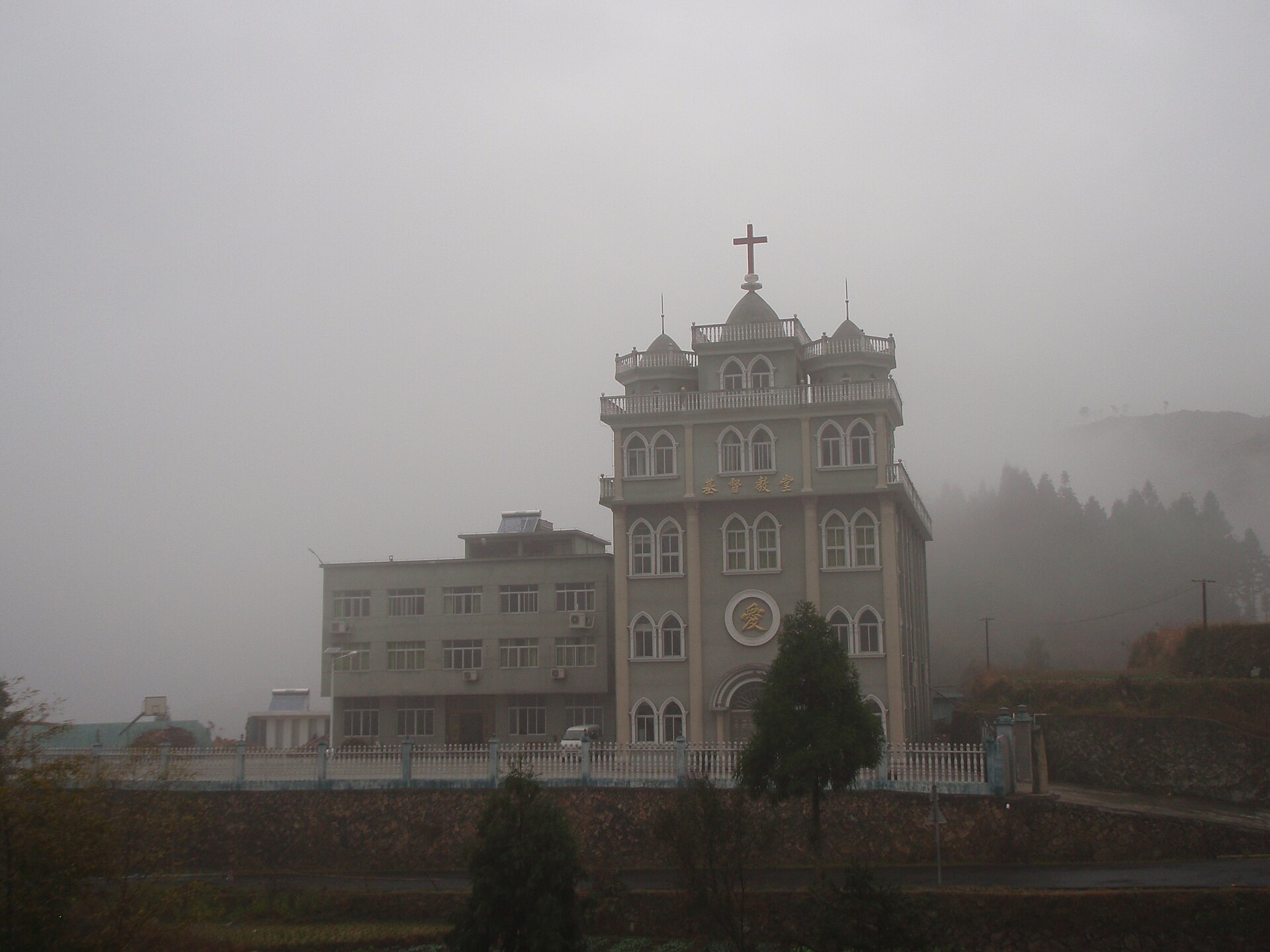 Historical EventsFrom Zhejiang’s Cross Demolitions to Chengdu’s Early Rain Church: The Escalation of Religious Persecution in ChinaFrom 2014, Zhejiang authorities tore crosses from church roofs and razed the Sanjiang Church under a demolition campaign that touched well over a thousand churches. In 2018 more than a hundred members of Chengdu's Early Rain Covenant Church were detained and its pastor, Wang Yi, was jailed for nine years — persecution escalating from crosses of steel to the people who preached beneath them.
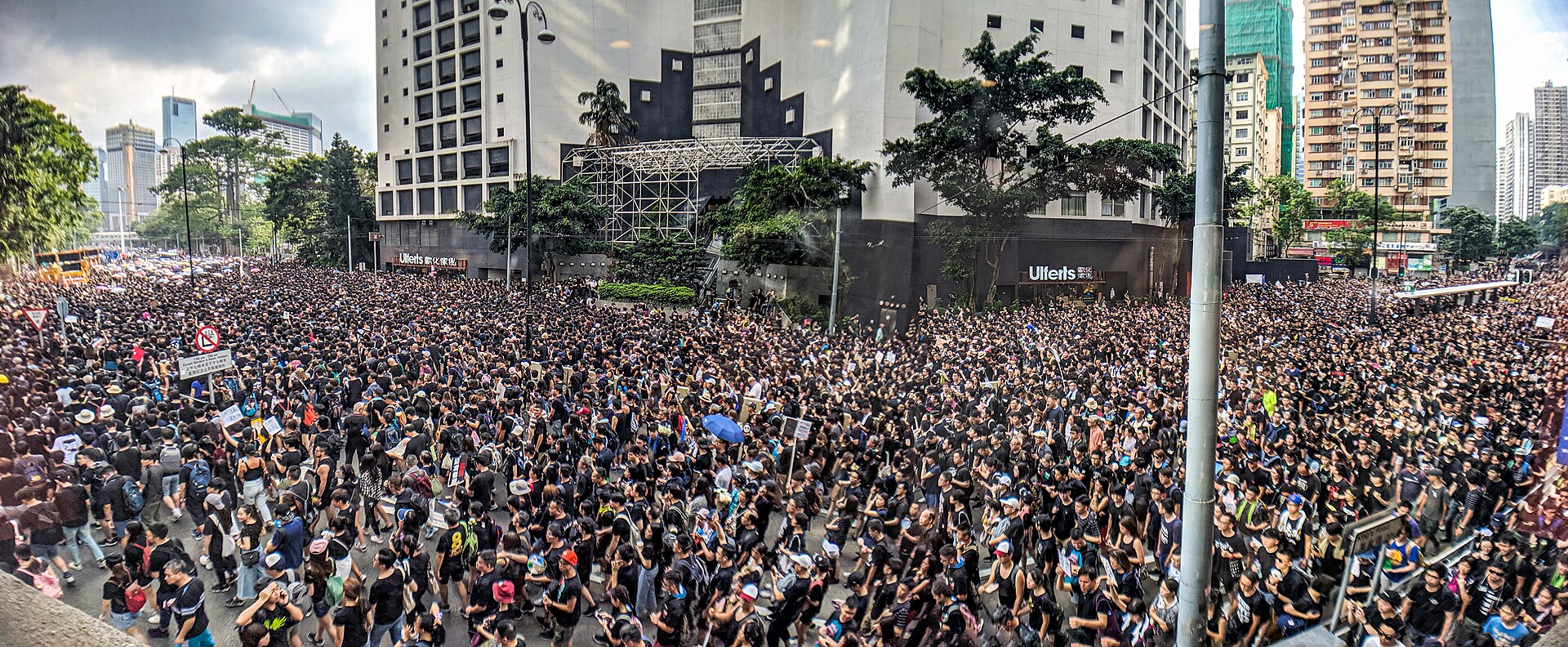 Historical EventsThe 2019 Hong Kong Anti-Extradition Bill MovementIn 2019, a proposed extradition bill sparked months of mass protests in Hong Kong. Organizers said nearly two million marched on June 16; the bill was withdrawn, and police arrested over 10,000 people.
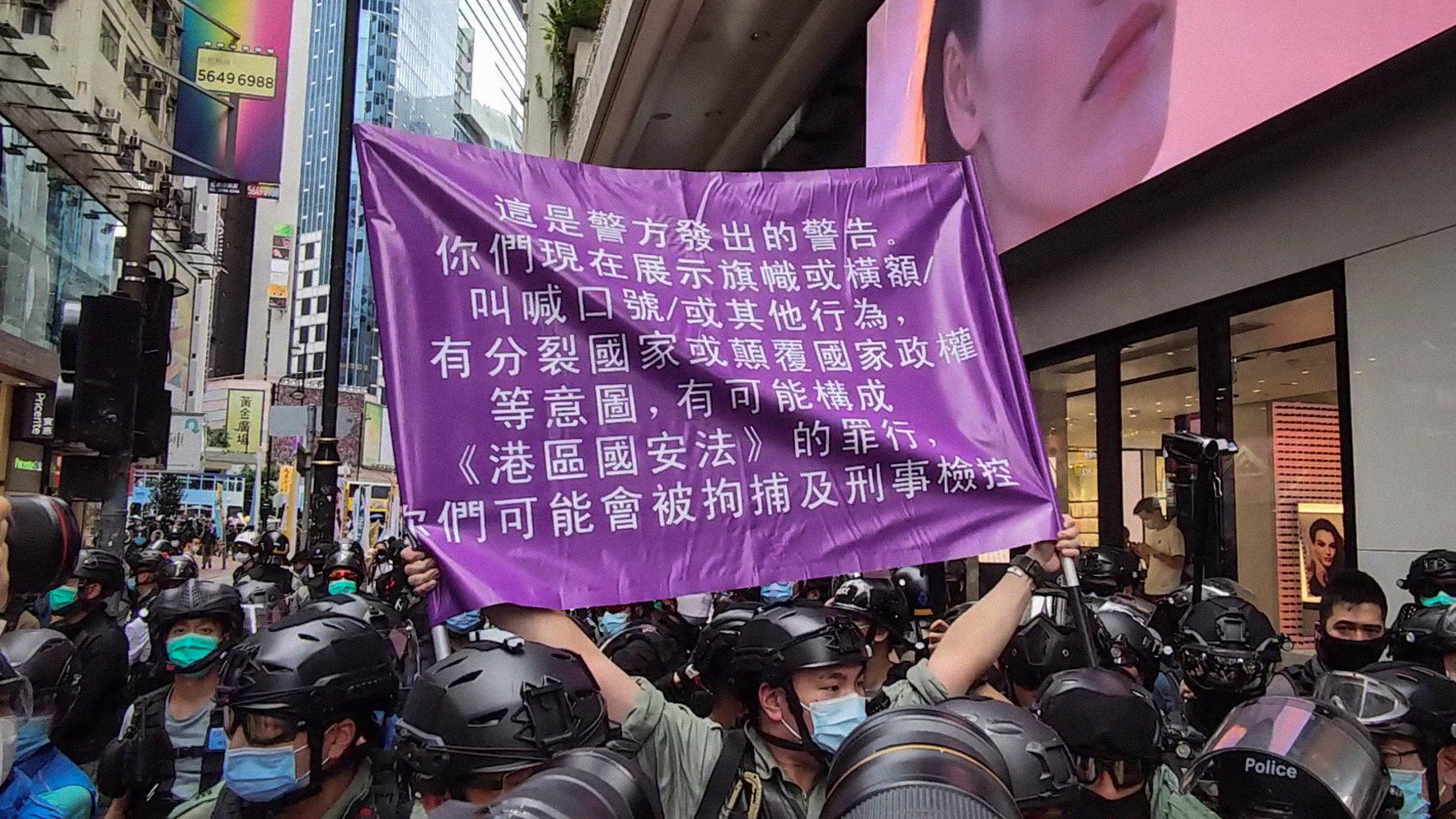 Historical EventsThe Imposition of the Hong Kong National Security Law in 2020On June 30, 2020, Beijing imposed a national security law on Hong Kong, bypassing its legislature. Its four offences carry up to life imprisonment, and it reshaped the city’s politics and civil society.
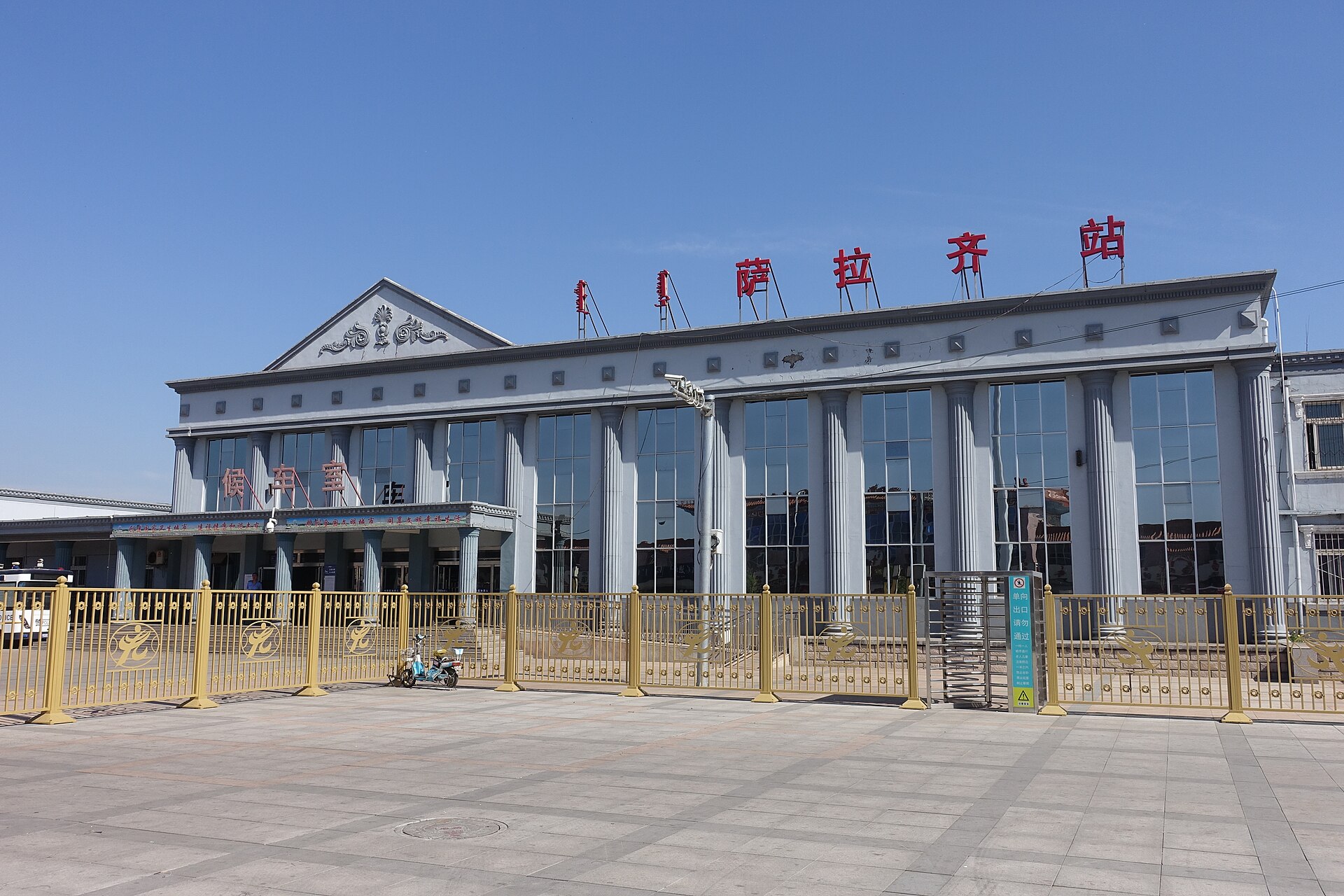 Historical EventsThe 2020 Inner Mongolia Protests: A School Boycott in Defense of the Mongolian LanguageIn autumn 2020, Inner Mongolia imposed national Mandarin textbooks and cut Mongolian-medium teaching, sparking a boycott by hundreds of thousands of Mongolian parents and students. Authorities answered with wanted notices, arrests and pressure, and Mongolian-language education has shrunk ever since.
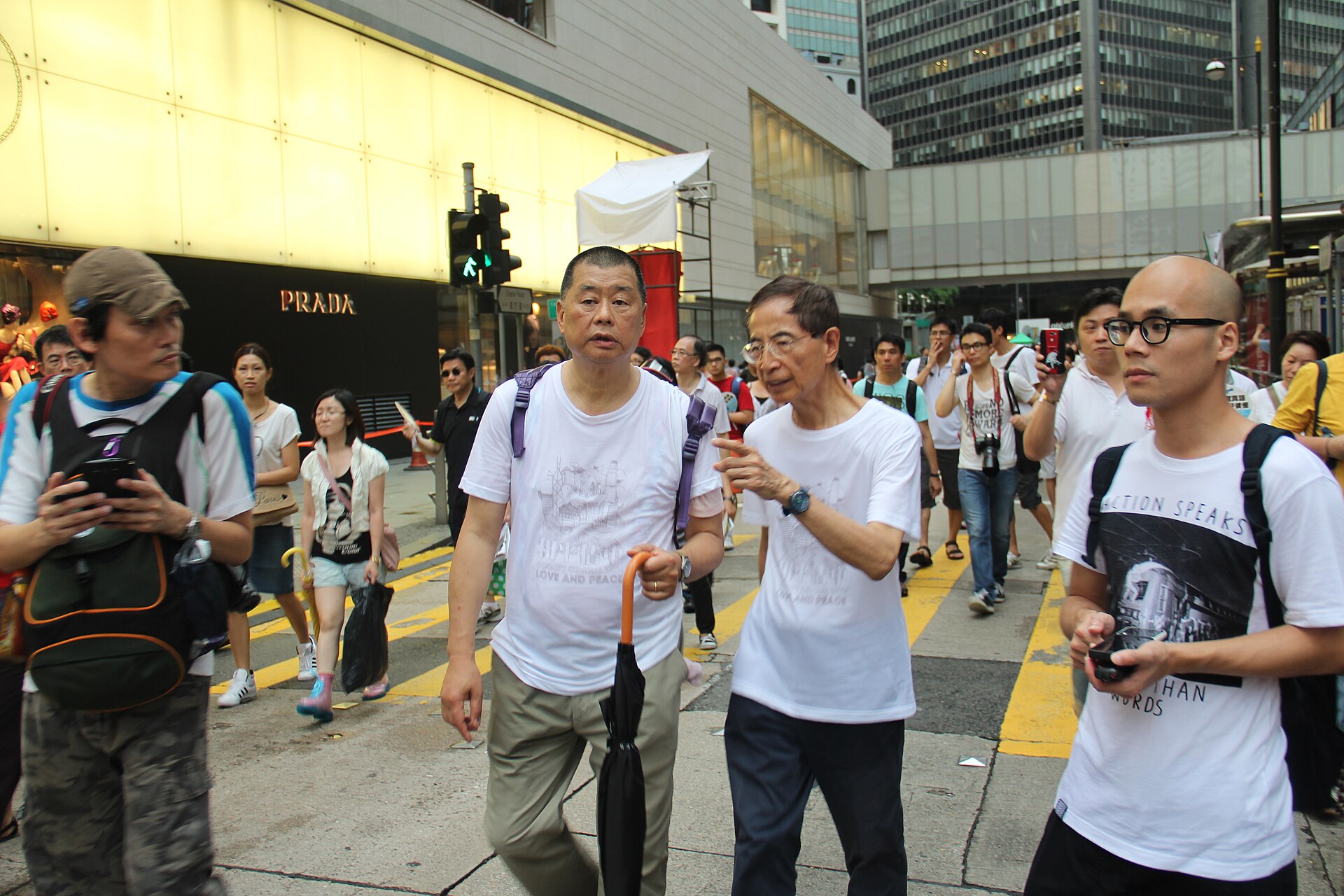 Historical EventsThe Forced Closure of Apple Daily and the Jimmy Lai Case (2021–2026)In June 2021, police raided Apple Daily under the National Security Law, arrested five executives and froze its assets, forcing the 26-year-old paper to close. Founder Jimmy Lai was convicted of colluding with foreign forces in late 2025 and sentenced to 20 years in February 2026.
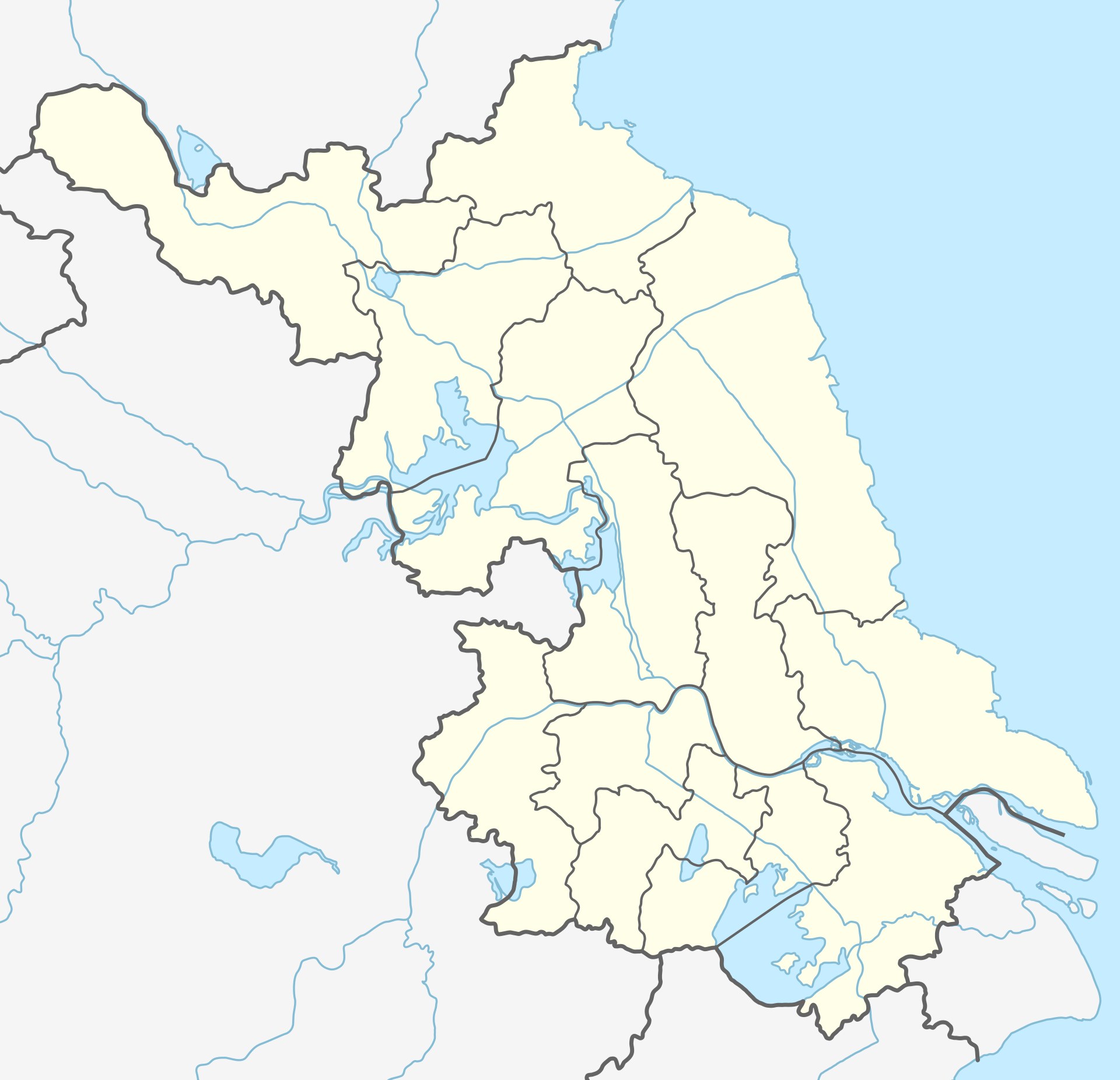 Historical EventsThe Xuzhou Chained Woman Incident: The Mother of Eight and the Five Official Statements (2022)In early 2022, a video of a chained woman who had borne eight children in Feng County, Jiangsu, convulsed China. Five official statements contradicted one another before investigators confirmed she was a trafficked Yunnan woman, Xiaohuamei; 17 officials were disciplined, but disputes over her identity and the sentences persist.
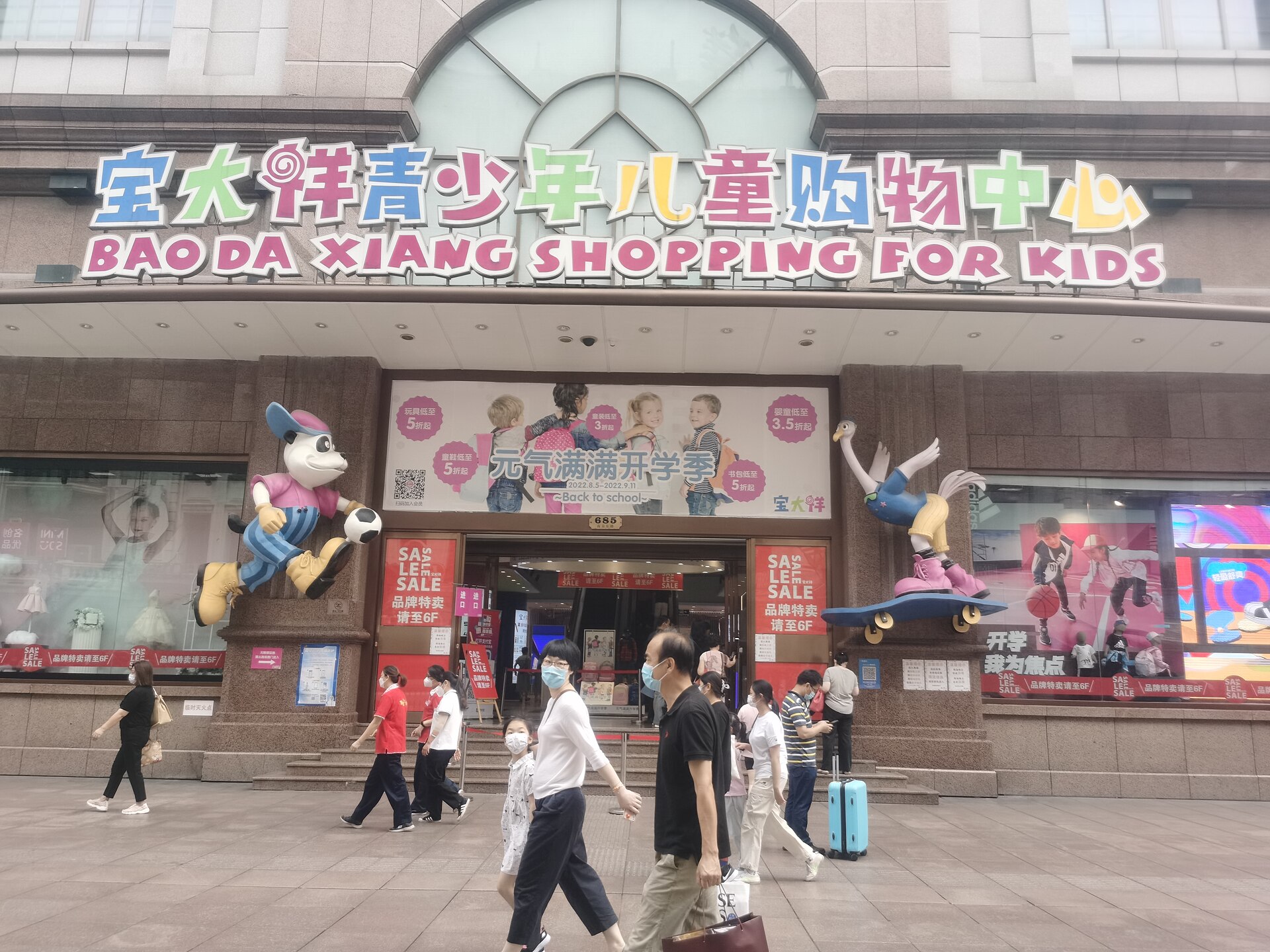 Historical EventsThe 2022 Shanghai Lockdown: Two Months of Siege in China’s Largest CityIn spring 2022, Shanghai's 25 million residents were locked down for about two months under zero-COVID. Officials counted over 627,000 infections and 588 deaths in the wave; the non-COVID deaths caused by the lockdown itself were never counted at all.
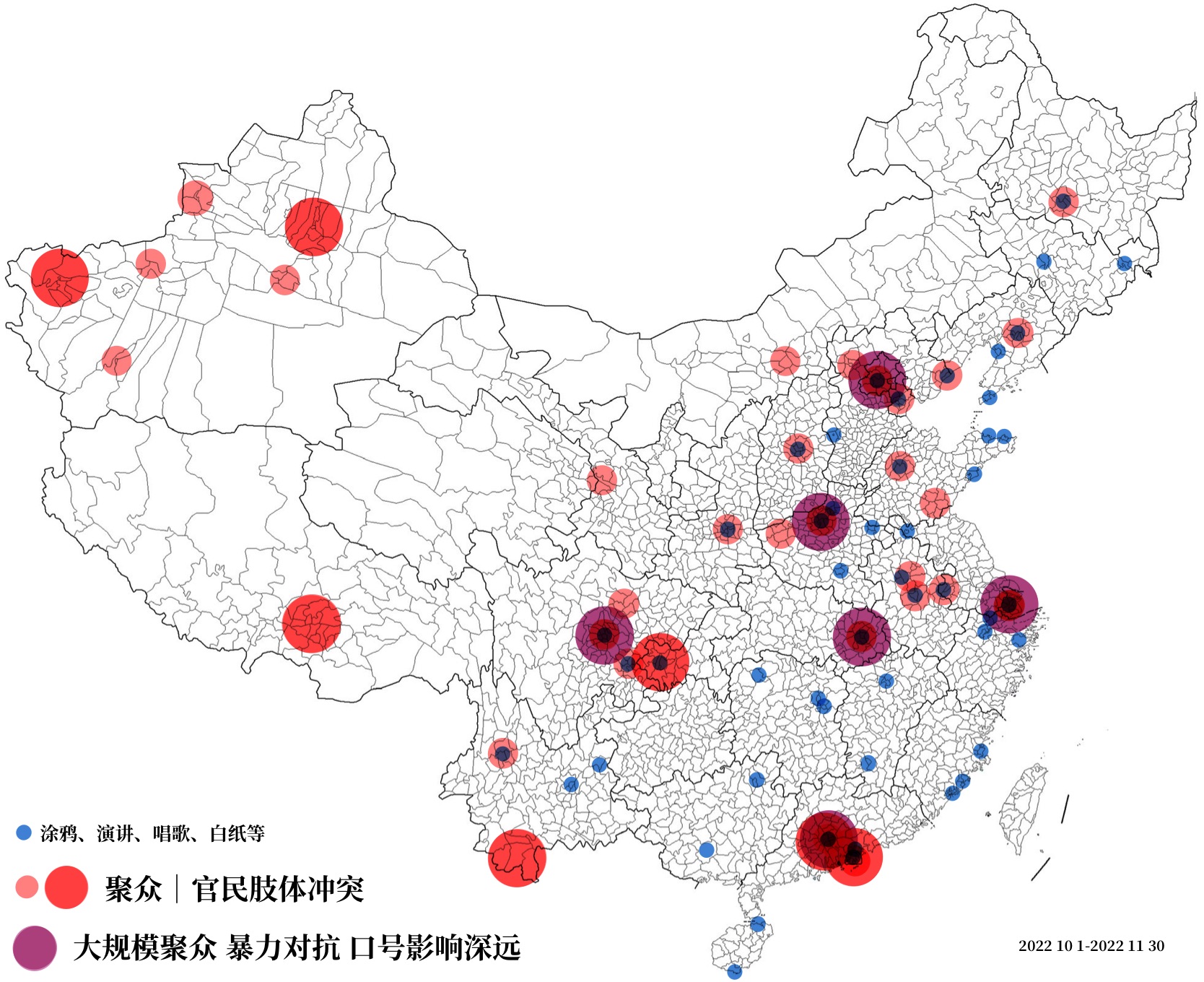 Historical EventsThe 2022 White Paper Protests in ChinaIn late November 2022, a deadly fire in Ürümqi sparked nationwide protests against zero-COVID. Demonstrators held up blank sheets of paper; ten days later Beijing issued the “New Ten Measures,” ending zero-COVID.